Waterbirds that rest more often keep better time with an early spring
A Leiden study of 220 spring flights from Poyang Lake found that birds using more stopovers matched the green-up on their breeding grounds more closely. The paper does not create those wetlands. It argues for keeping them.

Read the original
The reporting lives at Phys.org. Our summary is checked against it, and we link it on every story.
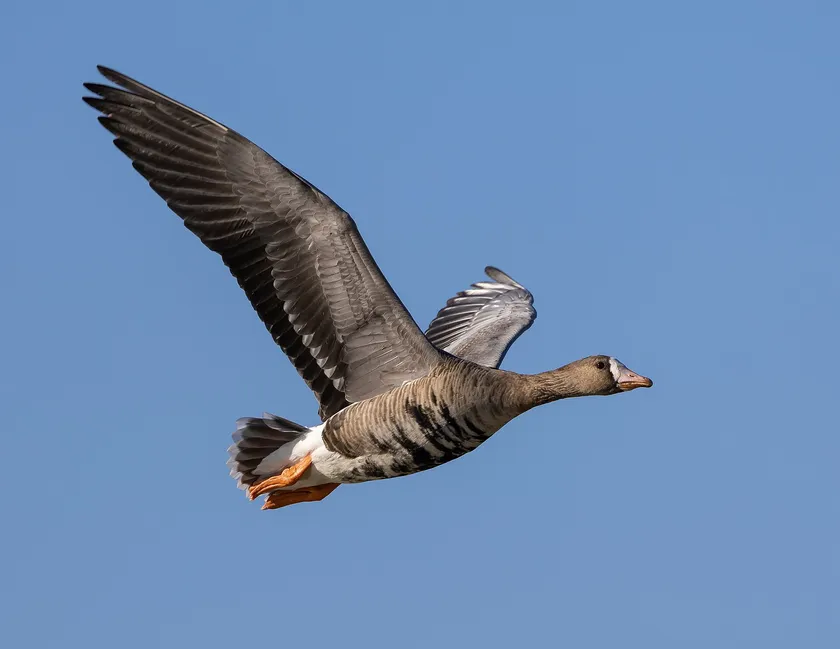
Waterbirds that pause at more places on the way north do a better job of meeting an earlier spring, Phys.org reported on November 19, 2026. Leiden ecologist Yali Si and colleagues tracked 220 spring migrations by five species of waterbirds that winter near Poyang Lake in China and breed toward Siberia. The Journal of Animal Ecology paper covers nine years of GPS tags that logged a position every one to two hours. Greater white-fronted geese and tundra bean geese are among the birds shown wearing the tags.
In spring, fresh growth starts in the south and moves north. Si described the birds as surfing that green wave, feeding on young plants and using stopovers to wait or to push on. The tracks showed that birds with more stopovers adjusted their arrival to the start of growth on the breeding grounds more closely. Chicks need that timing. Summers in the Arctic are short, and a late hatch can miss the peak of food.
Si said many stopovers sit in crowded landscapes, and wetlands in particular are turned into farmland or broken into smaller pieces. Losing one link changes the whole route. The study is evidence for protecting that chain. It does not announce a new reserve, and it does not measure how many of these birds succeeded in raising young.
For the classroom
Phys.org reported on November 19, 2026, that some waterbirds arrive on time more often when they rest along the way. Yali Si and colleagues followed 220 spring trips by five kinds of waterbirds. The birds winter near Poyang Lake in China and fly toward Siberia. GPS tags recorded a position every hour or two. Birds that used more stopovers matched the start of plant growth on the breeding grounds more closely. Those pauses are for food and rest, and they let a bird wait or hurry. Many stops are wetlands that people turn into farms. The study does not open a new park.
- Why would a bird want to arrive just before plants start growing?
- What happens to the trip if one rest stop along the way disappears?
For a teacher to read with a class. Print the story of the day · Morning announcements · All classroom stories · This week's Good News Friday pack
Poyang, ChinaBirdsWildlife conservationGood news on November 19
More good news
Other stories in the same neighborhood of kindness.
 Science
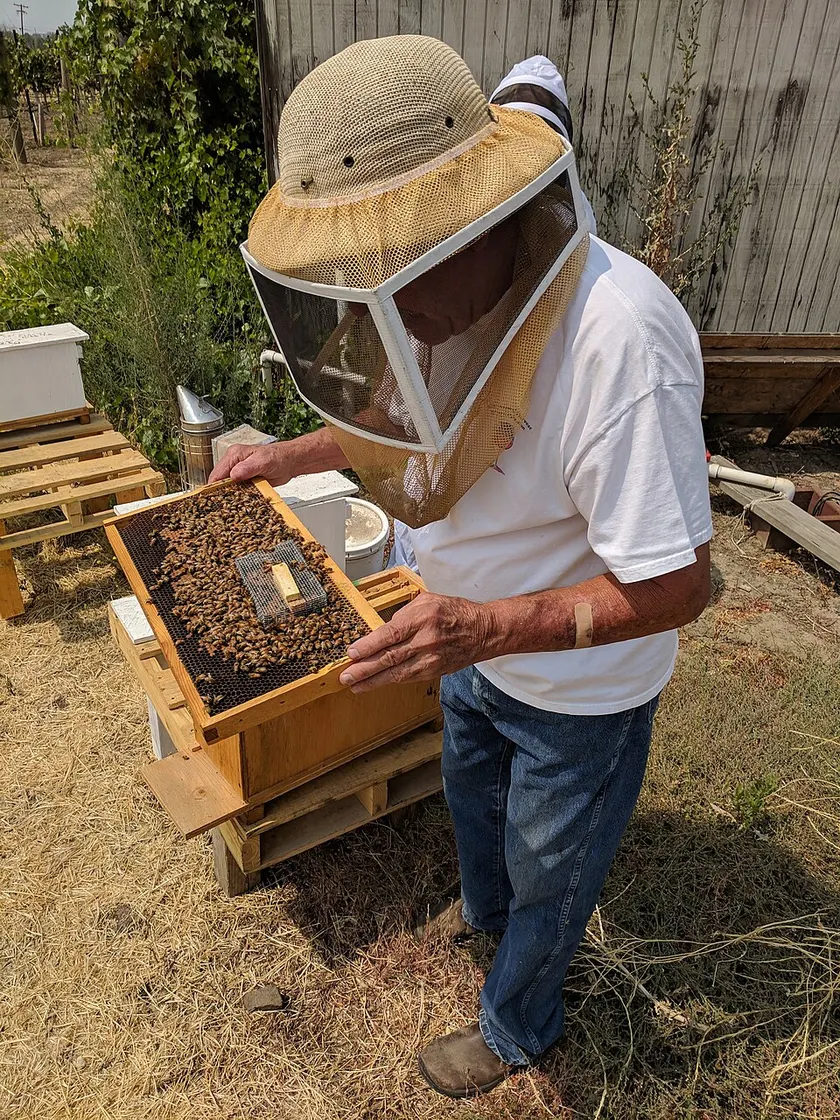
Honey bee colonies high in Tibet kept varroa mites from multiplying
A PLOS Biology study, reported by Phys.org, moved 60 infested colonies to different heights. Thirteen of 15 hives above 3,500 metres in Lhasa lasted two years. Lower colonies did not last a year.
Verified · Phys.org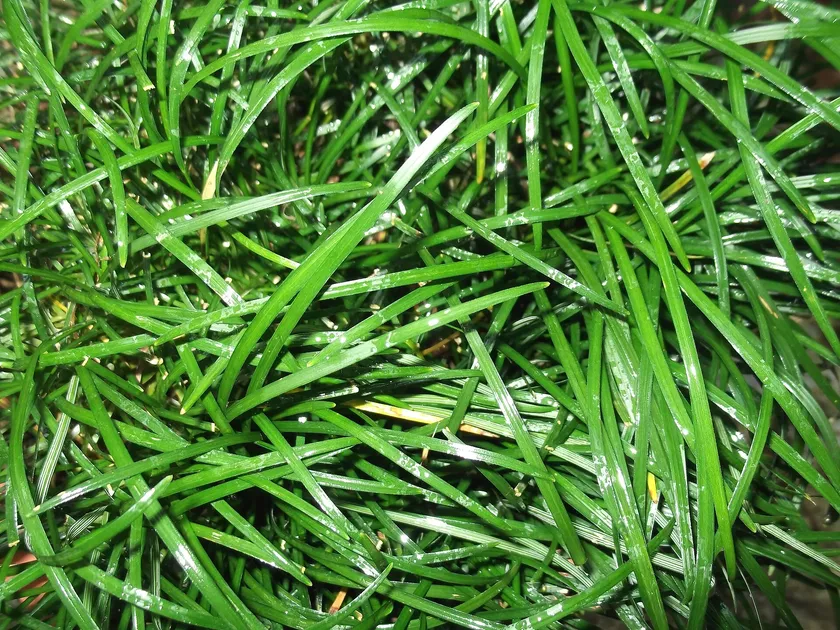 Science
Botanists named a mondo grass with a flower stalk longer than its leaves
The plant, Ophiopogon longiscapus, is known only from Yunnan's Wenshan reserve, where it was collected in 2025 and 2026. The authors say its numbers are still too unclear to rank its risk.
Verified · Phys.org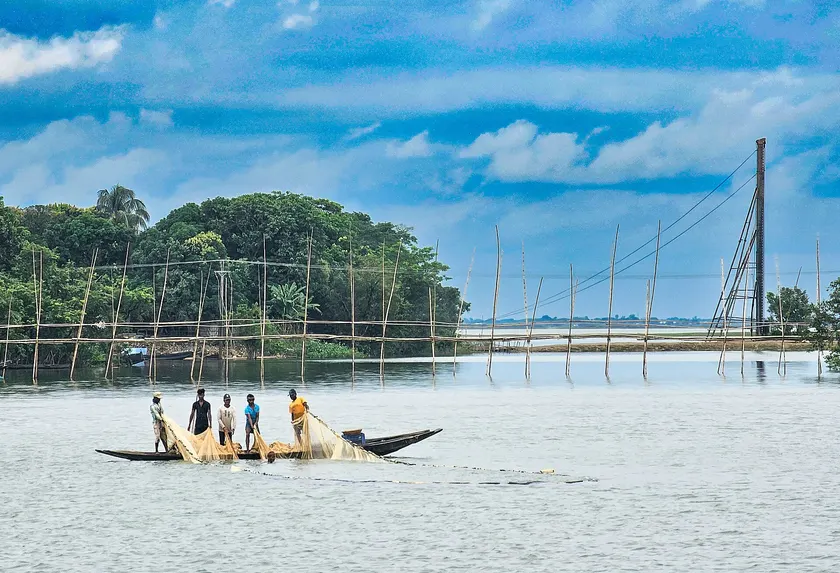 Science
Three 1,800-year-old wooden boats were lifted from under Beijing
Archaeologists raised the boats in one piece from seven meters down in Fengtai. An official stamp on the timbers points to state-run river shipping.
Verified · China Daily