A federal grant will help keep Mission Valley farms and wildlife habitat
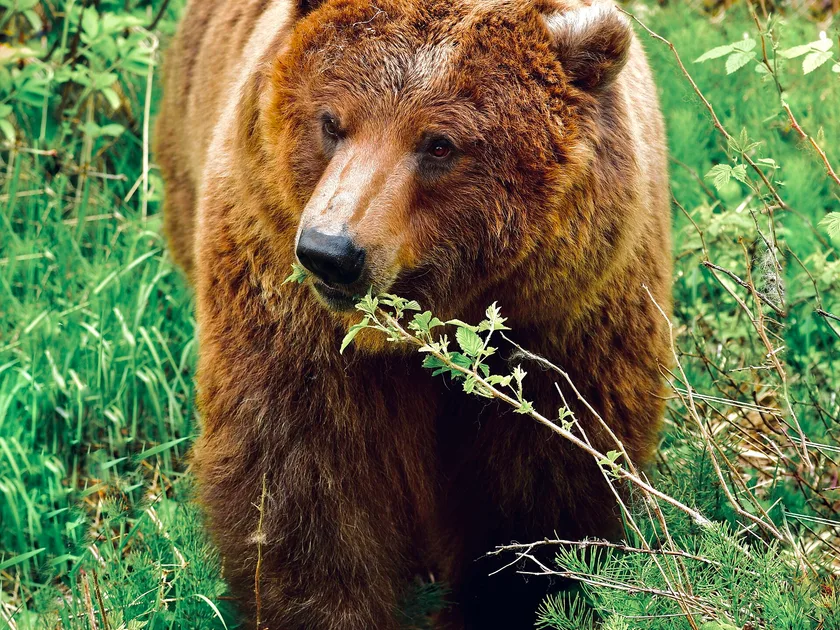
Flathead Land Trust and the Confederated Salish and Kootenai Tribes plan to protect working farmland and habitat for grizzlies and birds. The full partnership covers about 10,000 acres.

Read the original
The reporting lives at Lake County Leader. Our summary is checked against it, and we link it on every story.
Flathead Land Trust will use a federal grant to buy conservation easements in Montana's Mission Valley, the Lake County Leader reported on November 5, 2026. The article calls the USDA Regional Conservation Partnership Program award $7.85 million in the opening and $7.5 million in the headline and a later paragraph. The money is meant for easements with about 10 producers, covering roughly 3,000 acres in the Ronan and Pablo area, spent over about five years. Landowners keep and manage the land. The easement limits development and stays with the property.
The Confederated Salish and Kootenai Tribes agreed, as part of the proposal, to place 3,000 acres of tribal land along the Flathead River into an easement. Tribal communications director Rob McDonald said the aim is working farms, water quality, wildlife habitat, and the cultural landscape of the Flathead Indian Reservation, including food sovereignty. The paper said the whole partnership will conserve about 10,000 acres. The valley still supports grizzly bears and a large migratory bird population. The grant is the start of purchases. It is not a map of acres already signed.
For the classroom
The Mission Valley in Montana is farmland and habitat for grizzly bears and birds. The Lake County Leader reported on November 5, 2026, that Flathead Land Trust won a federal grant for conservation easements. An easement is a lasting promise that land stays a farm or wildlife habitat instead of house lots. The article lists the grant as $7.85 million and, in the headline, as $7.5 million. Plans cover about 10 farm families and 3,000 acres near Ronan, plus 3,000 tribal acres. The paper said the full project is about 10,000 acres over about five years. Those acres are not all signed yet.
- What is a conservation easement, in plain words?
- Why would a tribe and a land trust work on the same valley?
- How can a farm also be a place for bears and birds?
For a teacher to read with a class. Print the story of the day · Morning announcements · All classroom stories · This week's Good News Friday pack
Ronan, MontanaWildlife conservationFarmingIndigenous communitiesGood news on November 5
More good news
Other stories in the same neighborhood of kindness.
 Science
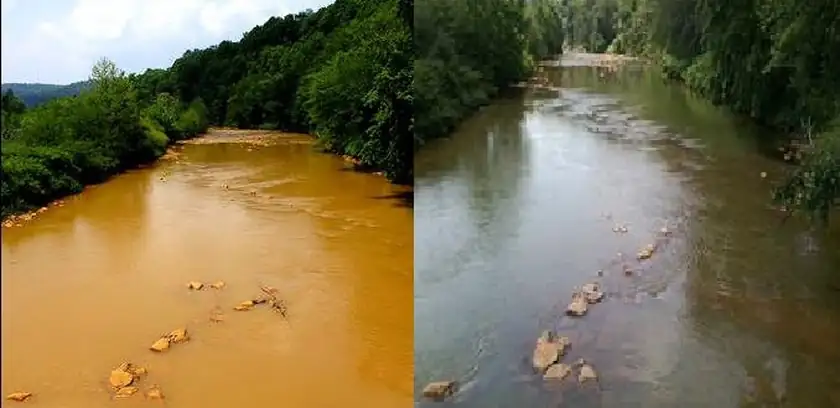
Montana won a regional award for the Belt Creek mine-pollution plant
The federal abandoned-mine program honored Montana for a plant that treats about 150 gallons a minute of acid drainage that once sent hundreds of pounds of metals into the creek each day.
Verified · Hi-Line Today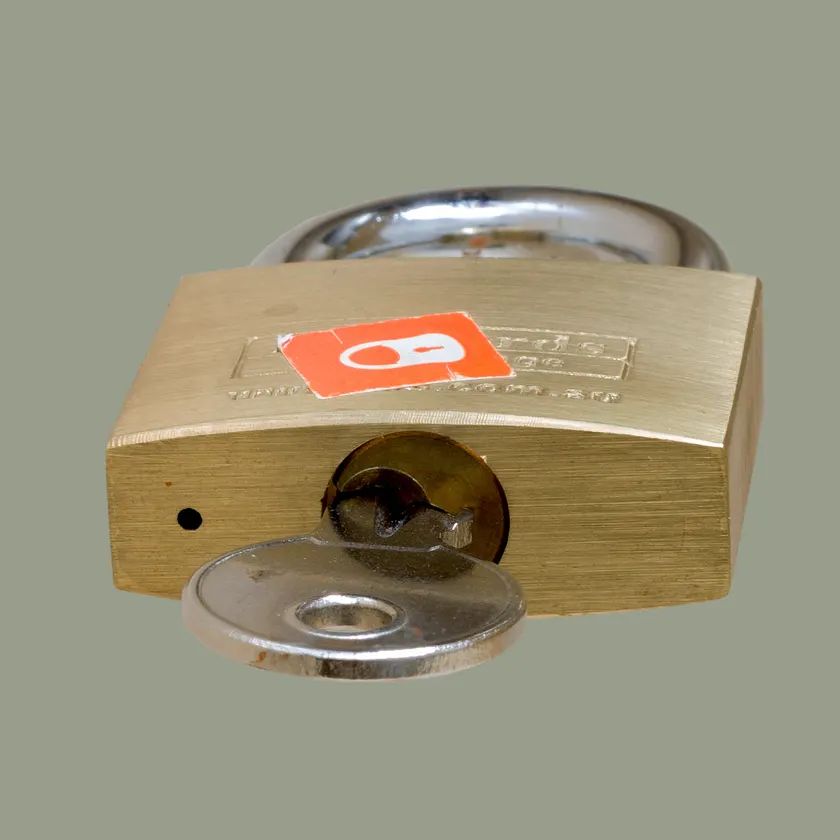 Science
A CT scanner read the four-letter code on a 1583 shipwreck padlock
The brass lock from the Ann Francis, wrecked off Port Talbot in 1583, opens to the letters A-N-C-E. Cardiff engineers found the combination inside the mechanism without forcing the rings.
Verified · BBC News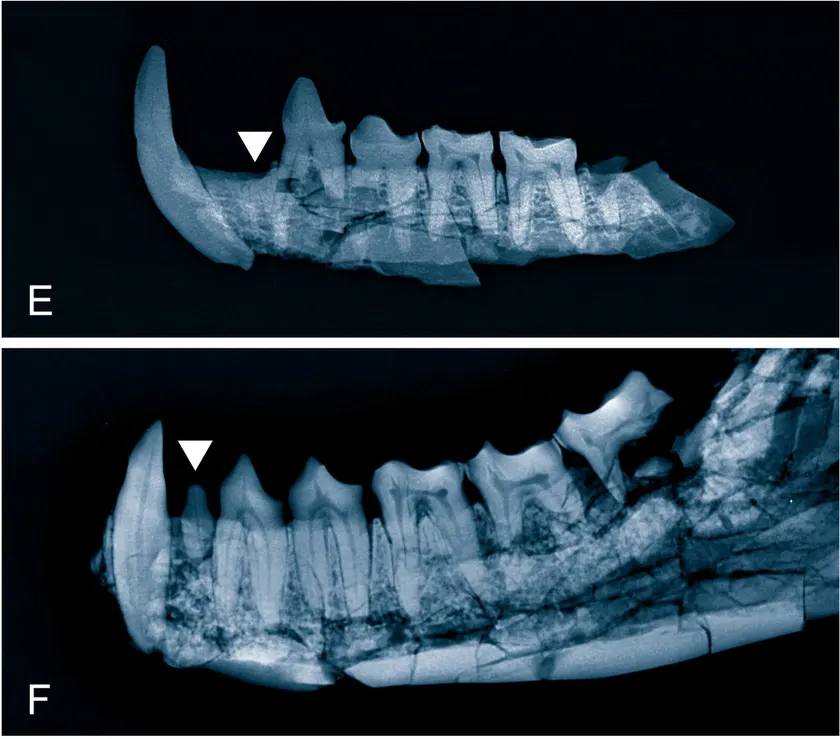 Science
Jaw bones from Wadi Moghra are the first clear fossil ape from North Africa
Scientists named Masripithecus moghraensis from jaws about 17 to 18 million years old. The Independent reported that the team argues North Africa mattered more in early ape history. The fossils are jaws, not a full skeleton.
Verified · The Independent