A rice-grain-sized flower in a museum rock is the oldest palm flower ever found
Micro-CT scans of a Kansas specimen at the Smithsonian revealed a 100-million-year-old flower with a classic three-part pattern.
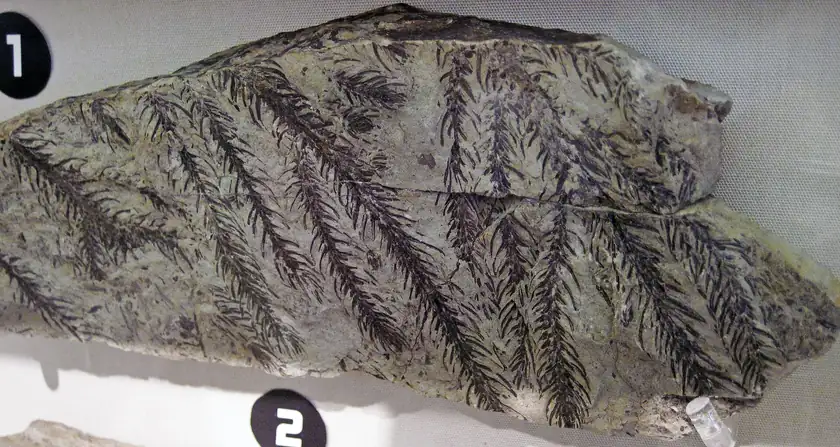

Read the original
The reporting lives at UC Santa Barbara The Current. Our summary is checked against it, and we link it on every story.
A flower about the size of a grain of rice had been sitting unnoticed inside a museum rock for 130 years. Researchers at UC Santa Barbara used micro-CT scans on a specimen from the Dakota Formation in Kansas, held at the Smithsonian, and found a flower about 100 million years old. It shows the three-part pattern typical of monocots, the group that includes palms. The description, published in the American Journal of Botany, makes it the oldest palm flower yet found.
For the classroom
Scientists at UC Santa Barbara described a flower about the size of a grain of rice that had been overlooked inside a 130-year-old museum rock, The Current reported. The rock is from the Dakota Formation in Kansas and is kept at the Smithsonian. Scans showed a flower about 100 million years old, with the three-part pattern of a monocot. It is the oldest palm flower ever found. The description is in the American Journal of Botany.
- How can a flower the size of a grain of rice hide in a museum rock for 130 years?
- What can one tiny fossil say about how flowering plants grew?
- Why scan a rock instead of cracking it open?
For a teacher to read with a class. Print the story of the day · Morning announcements · All classroom stories · This week's Good News Friday pack
Science in CaliforniaSanta Barbara, CaliforniaSTEMArchaeologyGood news on November 23
More good news
Other stories in the same neighborhood of kindness.
 Science
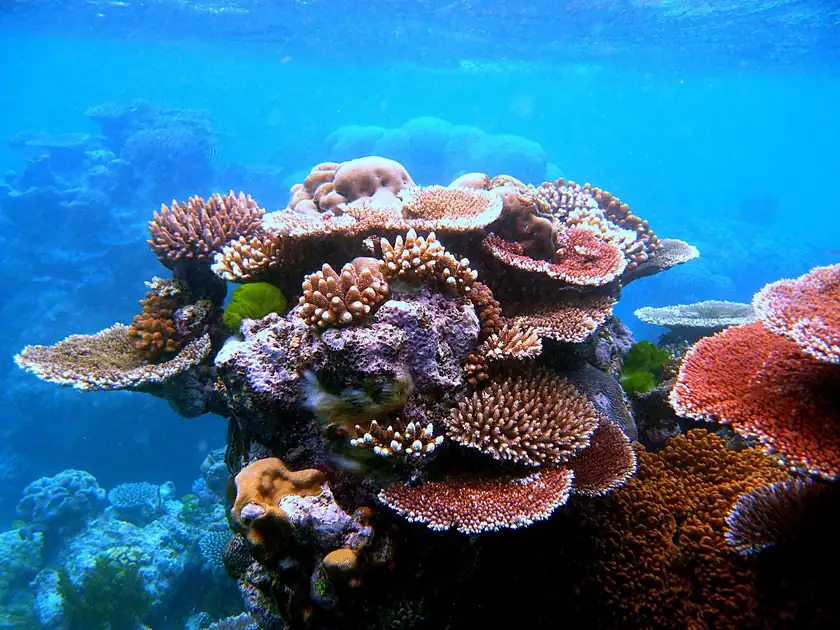
Stanford scientists brought bleached corals back to full health in seven weeks
In lab tanks at Hopkins Marine Station, bleached coral fragments that briefly touched healthy clones took in algae within three days and fully recovered in seven weeks. Fragments without that contact died.
Verified · Stanford Doerr School of Sustainability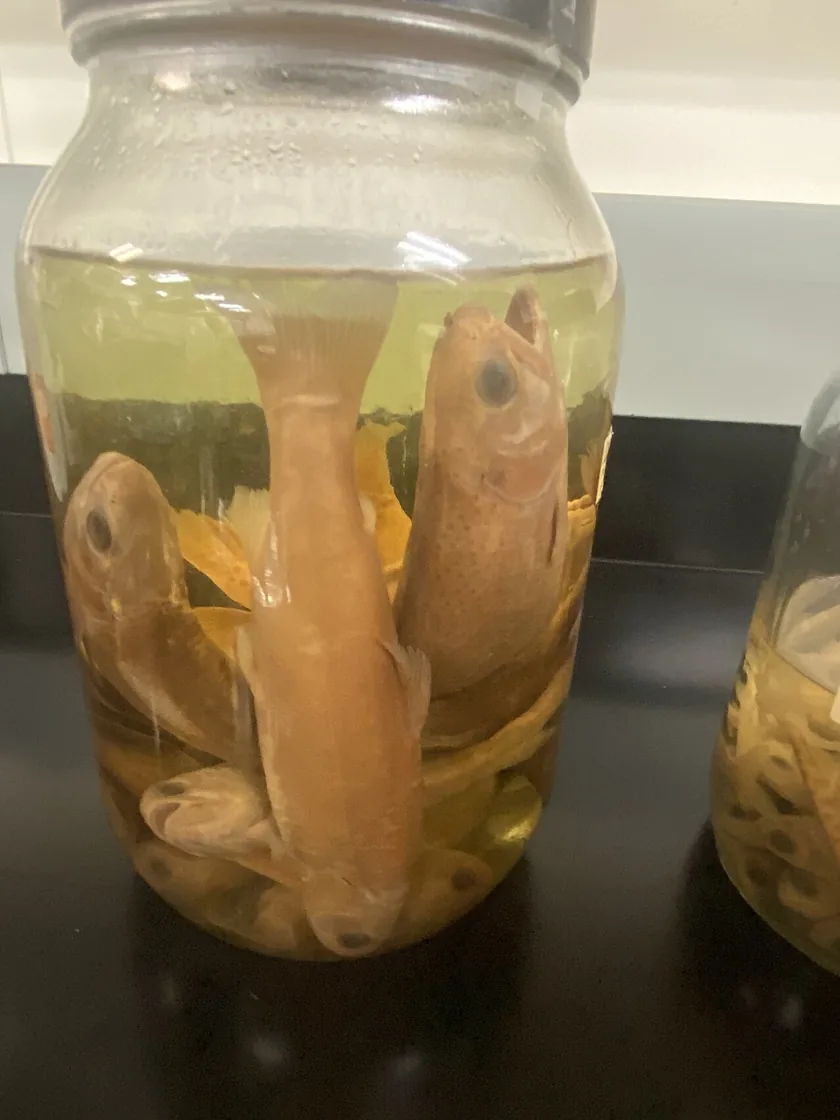 Science
Chinook salmon returned to 88% of their old Klamath habitat after the dams came down
After four Klamath River dams were removed in 2024, sonar counts recorded 7,742 Chinook passing the former dam sites that fall and more than 13,000 in 2025. The fish spread through 214 miles blocked for about a century.
Verified · Mongabay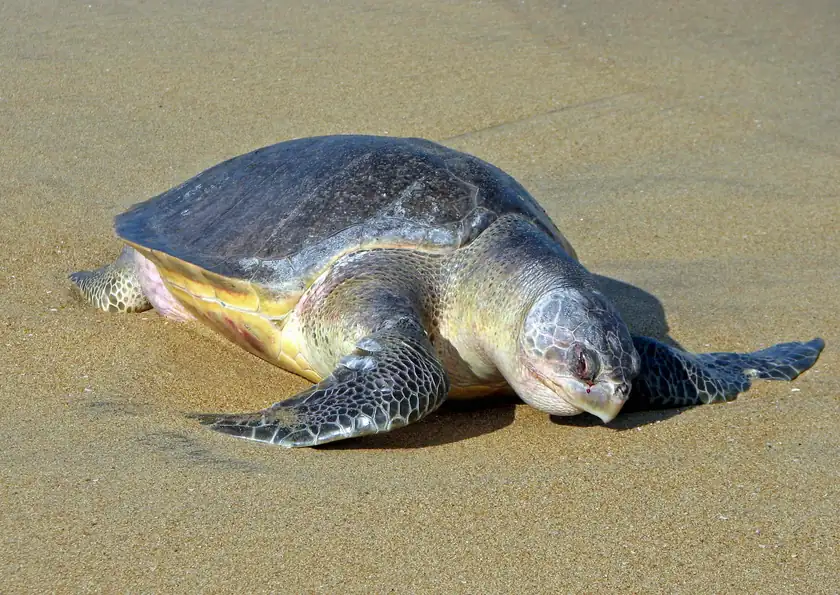 Science
Biologists moved 204 olive ridley eggs off Orange County beaches
The first known natural sea turtle nests on the U.S. West Coast were shifted to the Aquarium of the Pacific before storm surf could wash them out.
Verified · Los Angeles Times