A Stellenbosch researcher will test how to protect quiver trees
Business Day reported that Wendy Foden won the first Oppenheimer research chair on conservation in a changing climate. The five-year programme will focus on desert succulents in the Richtersveld, and the results are not in yet.


Read the original
The reporting lives at Business Day. Our summary is checked against it, and we link it on every story.
Wendy Foden will lead a five-year programme on how to protect wildlife as habitats get hotter and drier. Business Day reported on November 11, 2026, that she has been awarded the inaugural Oppenheimer Research Chair in Conservation in a Changing Climate. She is a climate specialist at South African National Parks and an extraordinary professor at Stellenbosch University's School for Climate Studies. She also chairs the climate change specialist group of the International Union for Conservation of Nature's Species Survival Commission.
The work will focus on the Richtersveld in the Northern Cape, including quiver trees and halfmens, desert succulents already under pressure from heat and scarce water. Foden said the award gives her team room to develop and test new approaches, and that stronger evidence is needed before conservationists can be sure which responses work. The team will look at existing methods, including assisted translocation, which means moving a species to a place that may suit it better, and will examine the risks and limits of those steps. A collaboration with the University of Cambridge's Conservation Evidence group is meant to sort which measures have already shown promise. The chair was set up by the Benjamin Raymond Oppenheimer Trust through Oppenheimer Generations Research and Conservation. The programme will also train postgraduate researchers. Nothing in the announcement is a result from the field yet. It is the start of the work.
Stellenbosch, South AfricaWildlife conservationTreesParksGood news on November 12
More good news
Other stories in the same neighborhood of kindness.
 Science
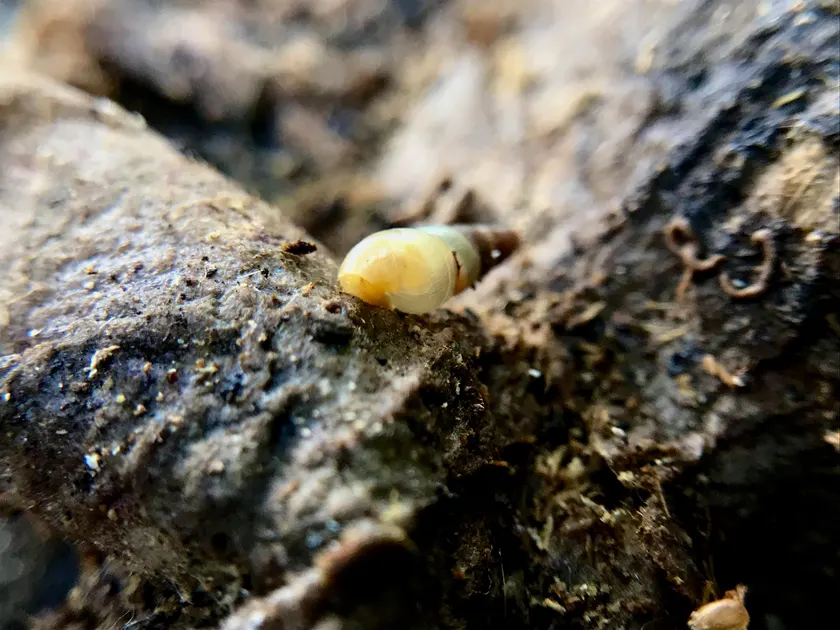
Fossil termite nests near Calitzdorp get a scientific name
University of Cape Town researchers named the 400,000-year-old burrows for the Little Karoo town and gave the local museum a poster about the find.
Verified · Phys.org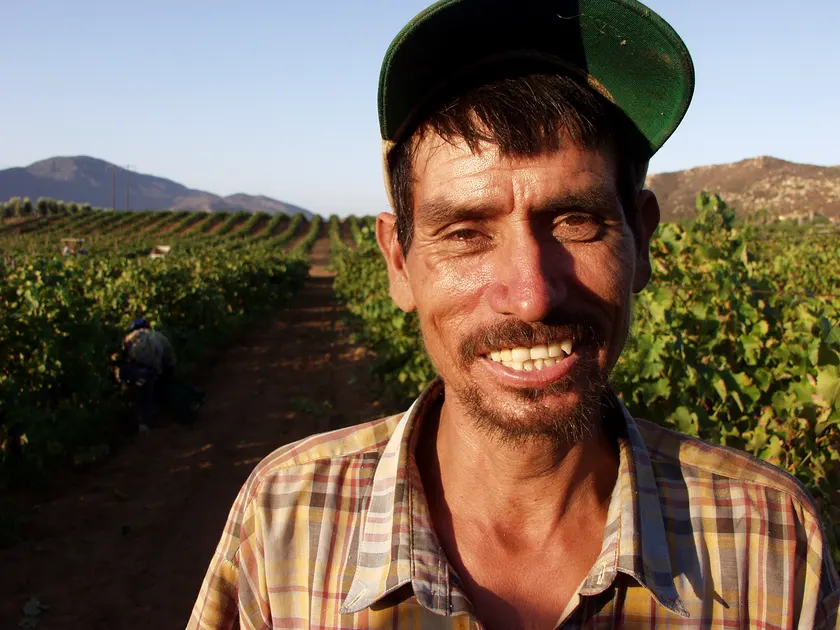 Community
Western Cape vineyards are treating habitat and soil as part of the harvest
The Conversation reported that a team looked at 107 vineyards, about a fifth of the region's total. Growers described cover crops, stream repair, and tighter pest control as business tools.
Verified · The Conversation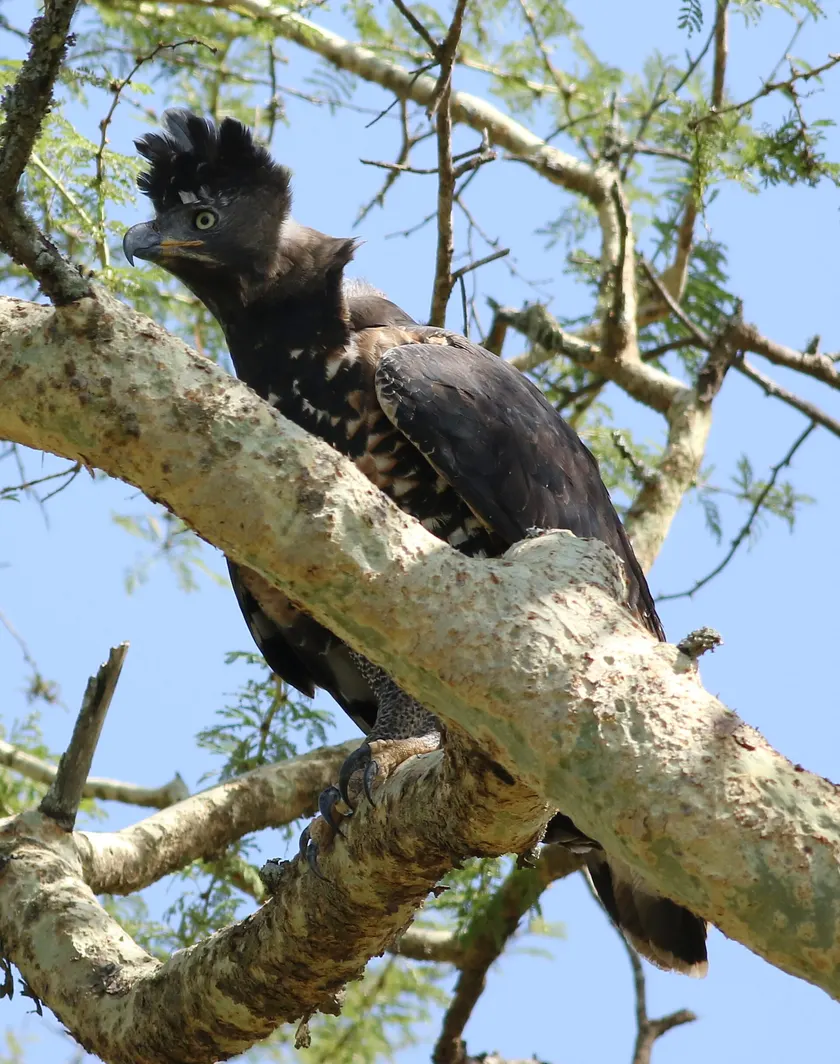 Animals
A young crowned eagle flew free again on the KwaZulu-Natal coast
South Coast Herald reported that a juvenile found badly hurt in Pennington in late October was ringed and released last week after care at CROW.
Verified · South Coast Herald