A newt on the Vlasina Plateau is its own species, not just an alpine lookalike
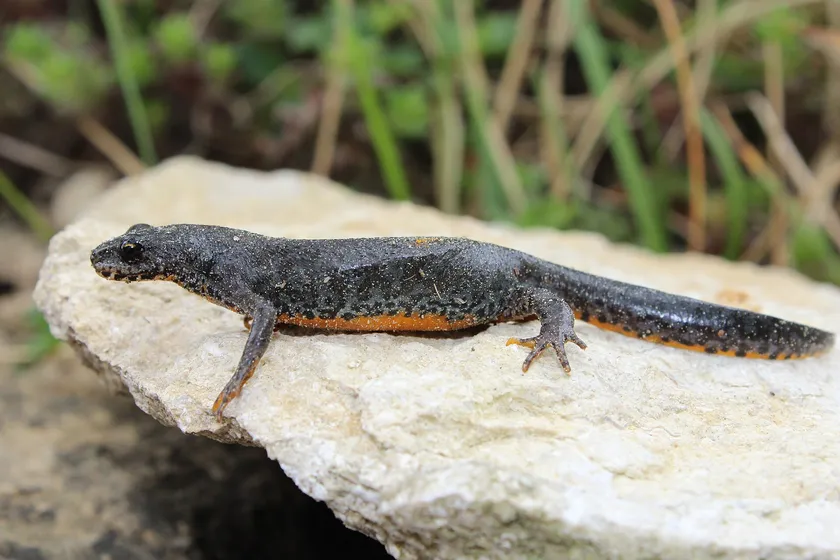
Leiden biologists reported that the animal long called the alpine newt is five species. The newest, from the Serbia-Bulgaria border, was named Mesotriton similis on a paper covered November 12.

Read the original
The reporting lives at Phys.org. Our summary is checked against it, and we link it on every story.
What field guides called the alpine newt is five species, Phys.org reported on November 12, 2026, from genetic work led by Ben Wielstra of Naturalis and Leiden University. The animals look almost the same. Their DNA does not. Three of the five now occur in the Netherlands, including newts from the Balkans and Italy that people introduced there.
One of the five had never been described. It lives on the Vlasina Plateau, on the border between Serbia and Bulgaria. The journal Zootaxa gave it the name Mesotriton similis. The authors' English name is the Vlasina alpine newt. Similis means similar. Wielstra said that even though the newts look alike to us, crosses between the species produce young that are much less likely to survive. He and Serbian colleagues called this the rarest alpine newt in Europe, with a limited range and a small population, and wrote that it is highly vulnerable to pollution, habitat damage, and introduced fish.
The genus name is not settled. Some amphibian specialists argue the group should be Ichthyosaura rather than Mesotriton, and the authors left open a future rename. The split into five species does not wait on that argument. The news is the name and the map, not a new count of newts in the water.
For the classroom
Phys.org reported on November 12, 2026, that a newt on the Vlasina Plateau, between Serbia and Bulgaria, is its own species. Scientists had used one name, alpine newt, for animals that look almost the same across Europe. Genetic tests split them into five species. The new one is Mesotriton similis. The authors suggest calling it the Vlasina alpine newt. Similis means similar. It is the rarest of the five and lives in a small area. Pollution, damage to its home, and fish added to the water can hurt it. Experts still debate part of the scientific name.
- How can two animals look the same and still be different species?
- What is one thing that could make life harder for a newt that lives in only one small area?
For a teacher to read with a class. Print the story of the day · Morning announcements · All classroom stories · This week's Good News Friday pack
Surdulica, SerbiaWildlife conservationSTEMGood news on November 12
More good news
Other stories in the same neighborhood of kindness.
 Science
A passenger rode a pilotless air taxi on a short flight in Kai
Euronews reported a 380-metre demonstration on November 20 at an academy runway in Yamanashi. A later uncrewed lap covered about 1,800 metres. Commercial service is not approved.
Verified · Euronews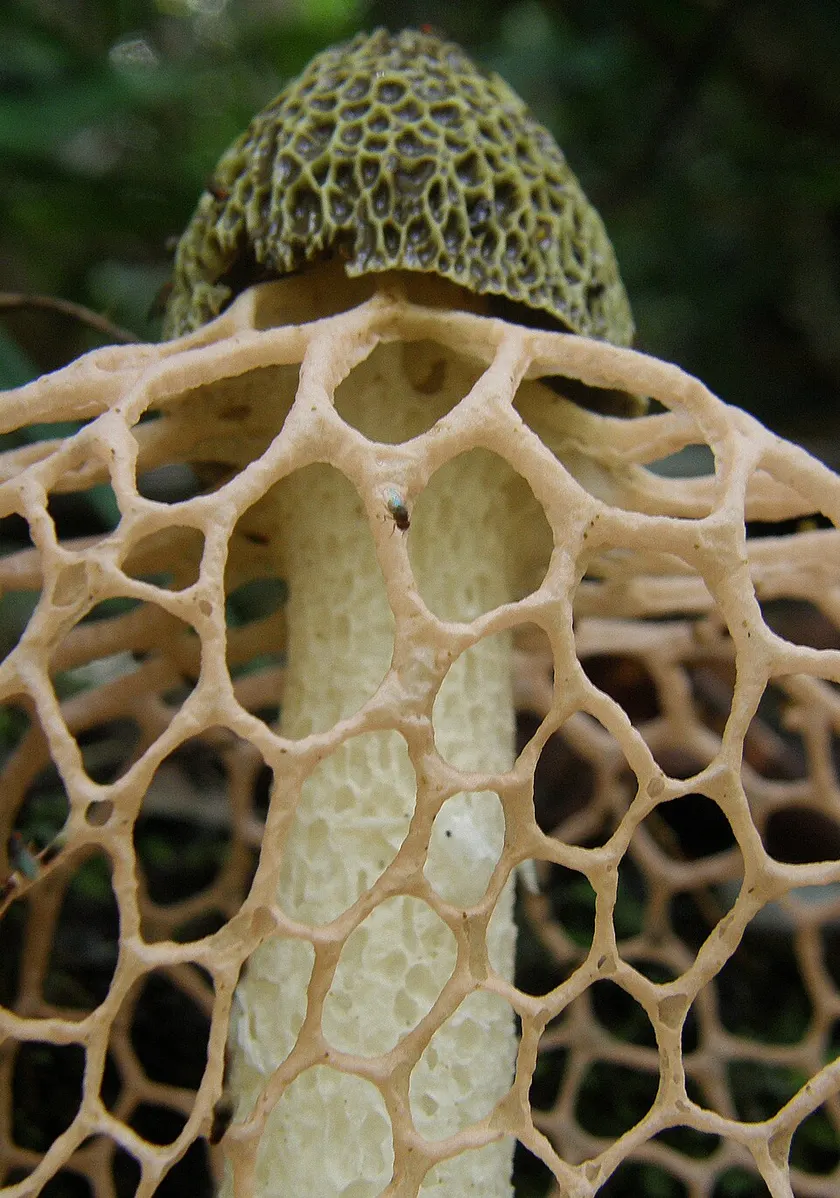 Science
A bridal-veil mushroom turned up on the woodland floor at Ranganathittu
The Hindu reported that a sanctuary biologist found Phallus indusiatus on November 17. The fungus is better known from wetter forests, and it should not be eaten from the wild.
Verified · The Hindu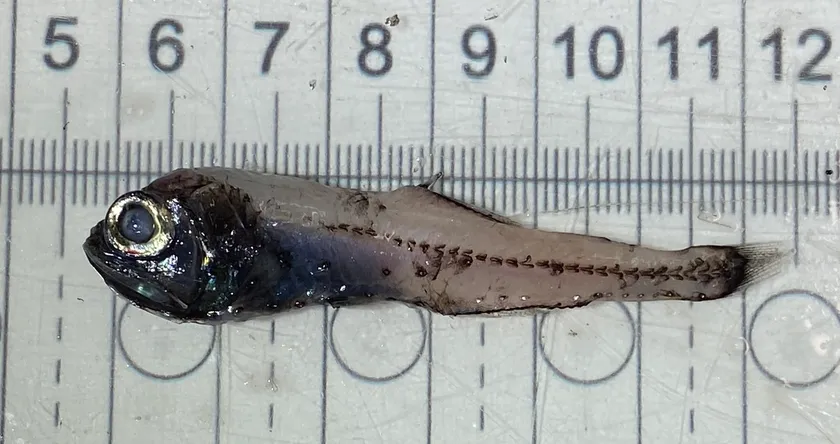 Science
Australia has a field guide to 141 kinds of lanternfish
CSIRO researchers published illustrated keys, through the Australian Museum, to 30 genera and 141 species in Australian waters. The fish make their own light and rise toward the surface after dark.
Verified · Phys.org