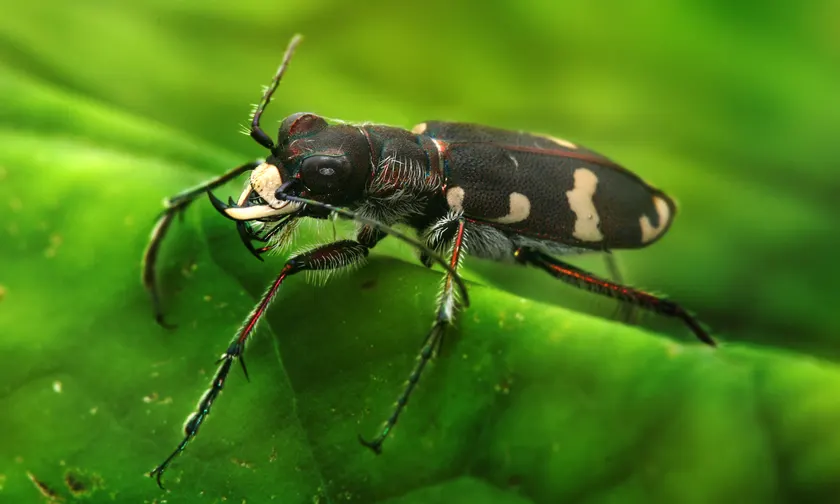
Ninety tiger-beetle larvae went into the sand at Taean
Korea Zinc, the National Institute of Ecology, and park staff released the anchor-marked tiger beetles on October 29 so they can burrow and overwinter.

Read the original
The reporting lives at The Asia Business Daily. Our summary is checked against it, and we link it on every story.
Ninety larvae of the anchor-marked tiger beetle were placed in the sand at Taean Coast National Park on October 29. The Asia Business Daily reported the release on November 2, 2026, quoting Korea Zinc. The company worked with the National Institute of Ecology, the Korea National Park Service, and local citizen scientists. The beetle, known in Korean as datmunui-gilapjabi, is listed as Class I endangered wildlife. It lives mainly on sandy beaches, and coastal development has shrunk that habitat.
The larvae were bred in care and released in late October because that is when they burrow and overwinter. The spot was a sandy stretch with little foot traffic, chosen so the larvae would be less disturbed while they settled. They are expected to stay underground through the winter and emerge later as adults. The count is these 90 larvae. It is not a survey of how many beetles already use the park.
For the classroom
On October 29, 2026, people released 90 larvae of a rare beach beetle into the sand at Taean Coast National Park in South Korea. The Asia Business Daily reported it on November 2. The anchor-marked tiger beetle is listed as endangered. It lives on sandy shores that coastal building has shrunk. The larvae were raised in care, then put on a quiet beach. In autumn they dig in and spend the winter underground, and may emerge later as adults. The news is these 90 larvae, not a count of every beetle in the park.
- Why release the larvae in autumn, when they are about to dig in for winter?
- What could people do on a beach so a small animal that lives in the sand is left alone?
For a teacher to read with a class. Print the story of the day · Morning announcements · All classroom stories · This week's Good News Friday pack
Taean, South KoreaWildlife conservationVolunteersGood news on November 2
More good news
Other stories in the same neighborhood of kindness.
 Animals
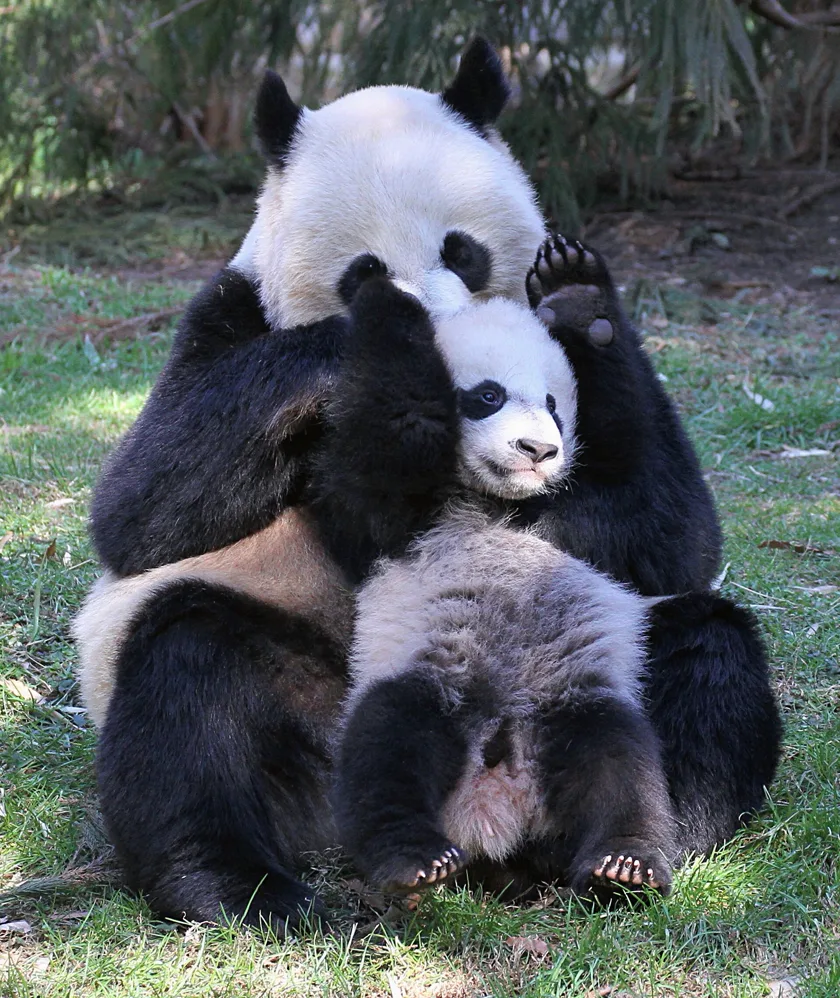
Shu Bao, a panda cub born in Yongin, will meet visitors this week
The Korea Herald reported that the cub, born June 3 and now past 9 kilograms, starts public visits at Everland's Panda World on October 30.
Verified · The Korea Herald Animals
A dusky shark stranded in a Busan canal was guided back toward the sea
On a third attempt, crews led the three-metre shark out of a canal where she had been stuck since mid-September. Open water was the hope, not a confirmed arrival.
Verified · The Guardian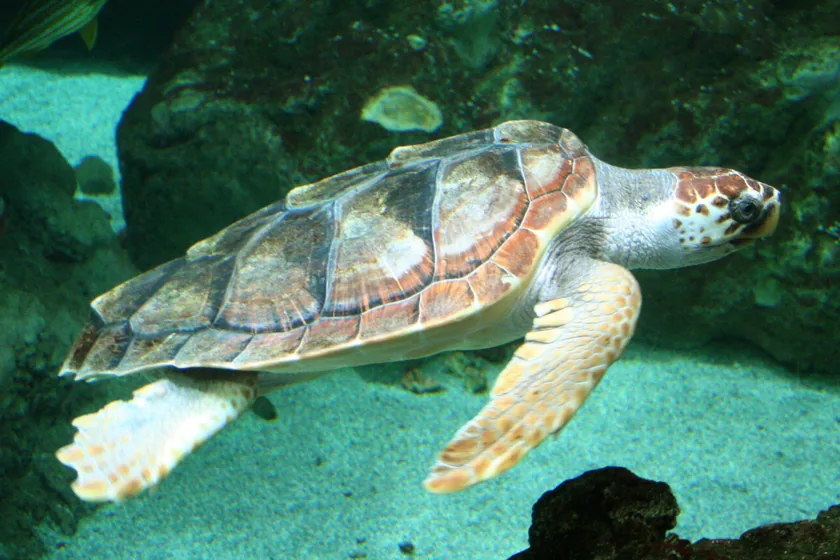 Animals
A loggerhead sea turtle returned to the Pacific after seven years of care
The turtle stranded on Jeju in 2019, tangled in abandoned fishing gear. After seven surgeries it was set for release from a beach in Seogwipo, without a tracking tag.
Verified · The Korea Times