Dormouse counts in England and Wales rose in a five-year window
People's Trust for Endangered Species said numbers increased by almost 10 percent from 2020 to 2025, with a wide margin of uncertainty. Since 2000 the population is still down nearly 60 percent.

Read the original
The reporting lives at BBC. Our summary is checked against it, and we link it on every story.
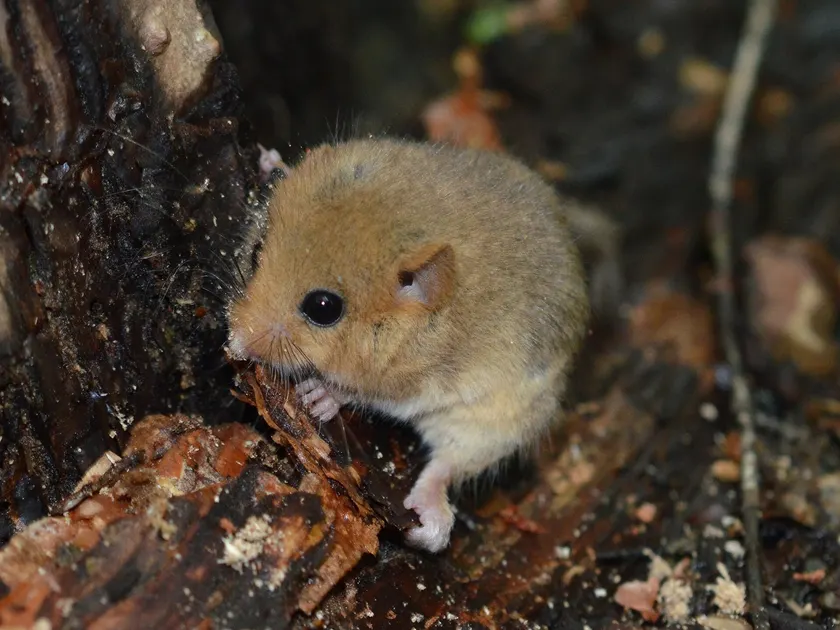
Hazel dormouse numbers in England and Wales may have turned up between 2020 and 2025, after a long fall. The BBC reported on November 9, 2026, that the National Dormouse Monitoring Programme, run by the People's Trust for Endangered Species since 1998, found an increase of almost 10 percent in that five-year window. The same record shows a drop of almost 60 percent since 2000, about 3.5 percent a year. Researchers stressed that the recent gain has a wide band of uncertainty.
The upturn lines up with warmer, drier springs and summers. Dormice hibernate from about October to May and can also drop into torpor on cold, wet days in the warmer months, when food is scarce. The team thinks less torpor left more time to feed and to raise extra litters. Co-author Ian White called it cautious good news and said populations remain far below the year 2000. Ecologist Charlotte Armitage said warmer, wetter winters are still an open question, and that habitat work cannot stop. Native dormice are now mostly in southern England and parts of Wales, and they are gone from about 20 English counties as woods and hedgerows have been lost. The news is this uncertain five-year rise. It is not a recovery.
For the classroom
The BBC reported on November 9, 2026, that hazel dormice in England and Wales may be doing a little better after years of decline. The People's Trust for Endangered Species has checked the same kinds of sites since 1998. Since 2000, the numbers have fallen by almost 60 percent, about 3.5 percent a year. Between 2020 and 2025, the data suggest a rise of almost 10 percent. Researchers say that estimate is uncertain. The warmer, drier springs and summers in those years may have meant the mice spent less time asleep in short cold spells, so they had more time to eat and raise young. They have already disappeared from about 20 English counties. The charity said woods and hedgerows still have to be protected.
- Why would a warmer summer help an animal that sleeps when the weather is cold and wet?
- Why be glad about a small rise if the long-term numbers are still much lower?
For a teacher to read with a class. Print the story of the day · Morning announcements · All classroom stories · This week's Good News Friday pack
London, United KingdomWildlife conservationSTEMGood news on November 11
More good news
Other stories in the same neighborhood of kindness.
 Science
A Southampton study found whale-shark detours would add little fuel
Researchers simulated eight shipping crossings and found that avoiding whale shark gathering sites, or slowing through them, raised fuel use by less than 1 percent on the routes they tested. Ships have not been reported as changing course.
Verified · Phys.org Science
About 3,400 rare wintergreens were moved off an eroding Scottish beach
Plantlife and partners dug up one-flowered wintergreens at Culbin Sands before the sea took them. NatureScot says survival in the new spot is not known yet.
Verified · BBC News Science
A CT scanner read the four-letter code on a 1583 shipwreck padlock
The brass lock from the Ann Francis, wrecked off Port Talbot in 1583, opens to the letters A-N-C-E. Cardiff engineers found the combination inside the mechanism without forcing the rings.
Verified · BBC News