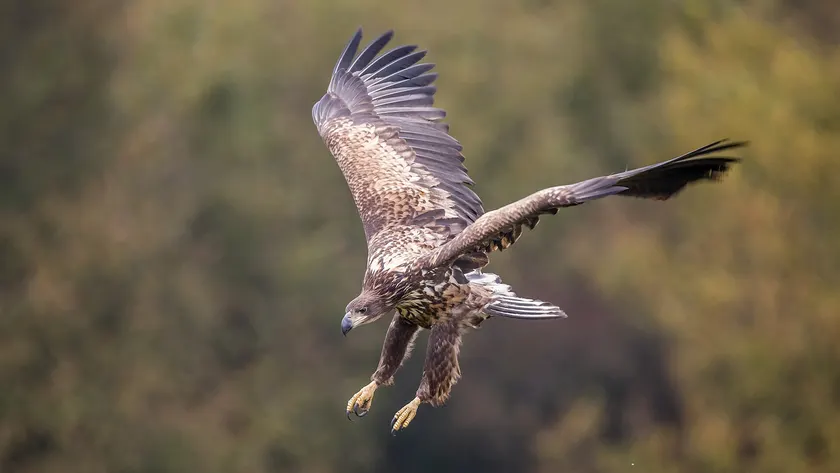
Finland's white-tailed eagles have been growing about 9 percent a year
A 50-year study found similar growth on the Baltic coast and in Lapland, with different age groups carrying each recovery. Volunteer nest counts made the work possible.

Read the original
The reporting lives at Phys.org. Our summary is checked against it, and we link it on every story.
White-tailed eagles on Finland's Baltic coast and in Lapland have both been increasing at about 9 percent a year. Phys.org reported on November 10, 2026, on a study in the journal Oikos led by researchers at the University of Turku and the University of Helsinki, with the Swiss Ornithological Institute. The model draws on more than 50 years of breeding-pair counts and chick numbers from 2,468 nests in almost 1,000 territories, plus ringing, resightings, dead recoveries, and genetic identification of 7,179 birds.
Lead author Carina Nebel said the two populations are conservation successes that did not recover the same way. On the Baltic, younger birds survive well and then compete for breeding sites. In Lapland, adults do particularly well and survival of younger birds is lower. Toni Laaksonen said the long record came from volunteers of the White-tailed Eagle Working Group, first under WWF Finland and now under the Osprey Foundation. The species had become rare in Europe after persecution and pollution, and legal protection and cleaner environments sit behind the increase. The news is these two growth rates and the difference in which ages sustain them. It is not a claim that every European population has recovered the same way.
For the classroom
Phys.org reported on November 10, 2026, that white-tailed eagles in Finland have been increasing for decades. Researchers at the University of Turku and the University of Helsinki, with the Swiss Ornithological Institute, looked at more than 50 years of records. They used nest counts from 2,468 nests in almost 1,000 territories, plus rings and genetic identifications of 7,179 birds. Both the Baltic coast population and the one in Lapland grew about 9 percent a year. They did not grow in the same way. On the coast, many young birds survive and then compete for nest sites. In Lapland, adults do well and younger birds survive less often. Volunteers collected the field notes that made the study possible.
- Why would counting nests for 50 years tell you more than one good year?
- How can two groups of the same bird grow in different ways?
For a teacher to read with a class. Print the story of the day · Morning announcements · All classroom stories · This week's Good News Friday pack
Turku, FinlandWildlife conservationBirdsVolunteersGood news on November 11
More good news
Other stories in the same neighborhood of kindness.
 Animals
Six Lagotto puppies are on a Finnish livestream until new homes
Hilkka gave birth on October 10 to two females and four males. Yle is not saying which town the cameras are in.
Verified · Yle News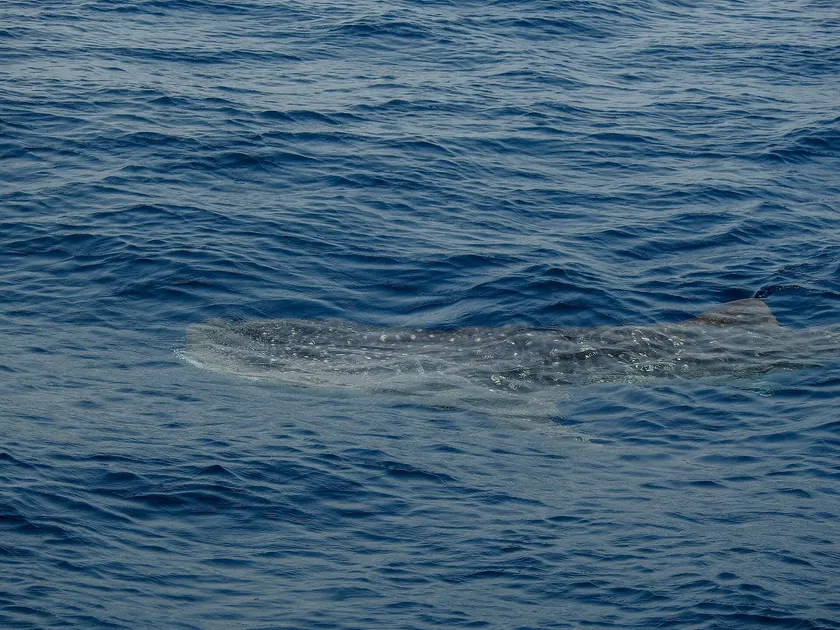 Science
A Southampton study found whale-shark detours would add little fuel
Researchers simulated eight shipping crossings and found that avoiding whale shark gathering sites, or slowing through them, raised fuel use by less than 1 percent on the routes they tested. Ships have not been reported as changing course.
Verified · Phys.org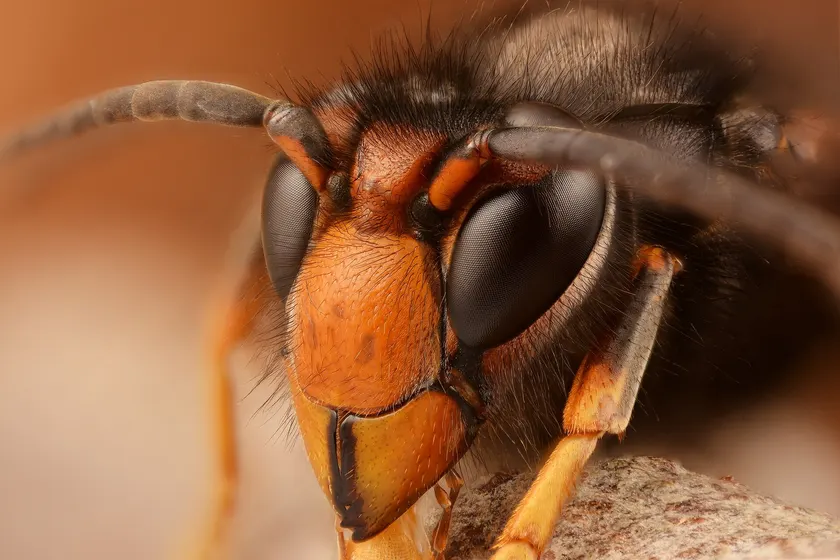 Science
Brussels students built a hornet trap they will take to a Paris contest
A Vrije Universiteit Brussel team says its trap can tell an Asian hornet from a honeybee before a fungus sticker goes on. They have not reported clearing a nest in the field.
Verified · Vrije Universiteit Brussel