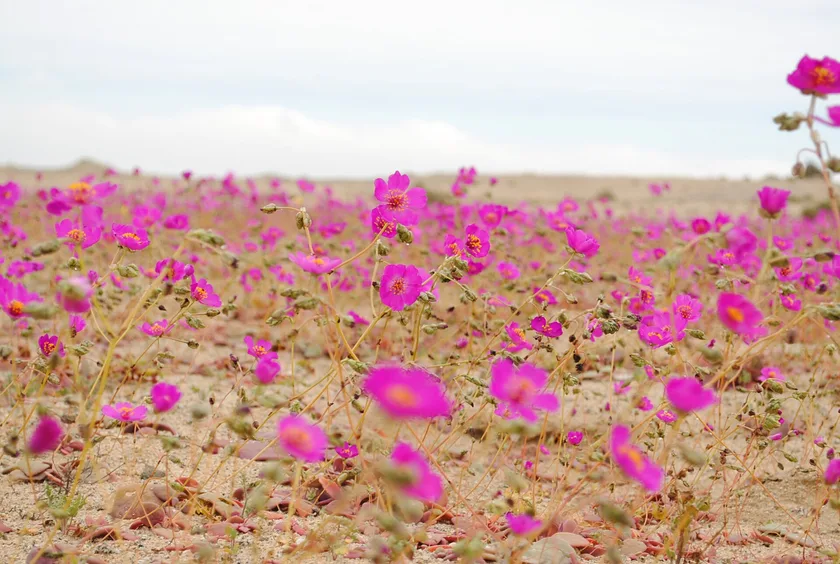
Winter rain brought a flowering desert across about 17,000 square kilometres of Atacama
Chile's forestry agency says this year's bloom covers about 23 percent of the Atacama region, one of the widest since the late 1990s. More than 200 native plants are up. Most of the flowers are expected to fade during November.

Read the original
The reporting lives at Noticias Ambientales. Our summary is checked against it, and we link it on every story.
Noticias Ambientales reported on November 3, 2026, that the Atacama Desert in northern Chile is in one of its widest flowerings in decades after winter rains tied to El Niño. Chile's national forestry corporation, CONAF, estimates the bloom covers about 17,000 square kilometres, about 23 percent of the Atacama region. More than 200 native species are up, including añañuca, lion's claw, guanaco's paw, and the jote flower, in fuchsia, violet, yellow, white, and pink.
In a year without El Niño, much of this coast gets about 2 millimetres of rain. Between July and September, some towns recorded far more. Vallenar received as much as 183.5 millimetres. Seeds, bulbs, and rhizomes sit dormant under the sand until that moisture arrives, then finish a life cycle in a few weeks. The same storms also caused floods and landslides that damaged homes in parts of the north. The flower report treats that damage as part of the same weather, not as the story of the bloom.
Most of the flowers are expected to disappear during November as the desert dries. A few drought-tolerant species may hold on until January. Authorities expect a busy season for visitors. The news is the extent CONAF has measured and the plants already in flower. It is not a promise that the same carpet will return next year.
For the classroom
Noticias Ambientales reported that Chile's Atacama Desert is covered in wildflowers after winter rain. The desert is usually one of the driest places on Earth. In a normal year, parts of it get about 2 millimetres of rain. This year, from July to September, Vallenar recorded as much as 183.5 millimetres. Seeds that sit under the sand woke up. Chile's forestry agency, CONAF, says more than 200 kinds of native plants are in bloom, across about 17,000 square kilometres, about 23 percent of the Atacama region. Most of the flowers are expected to fade during November. A few tough kinds may last until January.
- How can a seed stay alive for years in a desert that almost never gets rain?
- Why might a flower that lasts only a few weeks still matter to the desert?
For a teacher to read with a class. Print the story of the day · Morning announcements · All classroom stories · This week's Good News Friday pack
Vallenar, ChileWildlife conservationParksGood news on November 3
More good news
Other stories in the same neighborhood of kindness.
 Animals
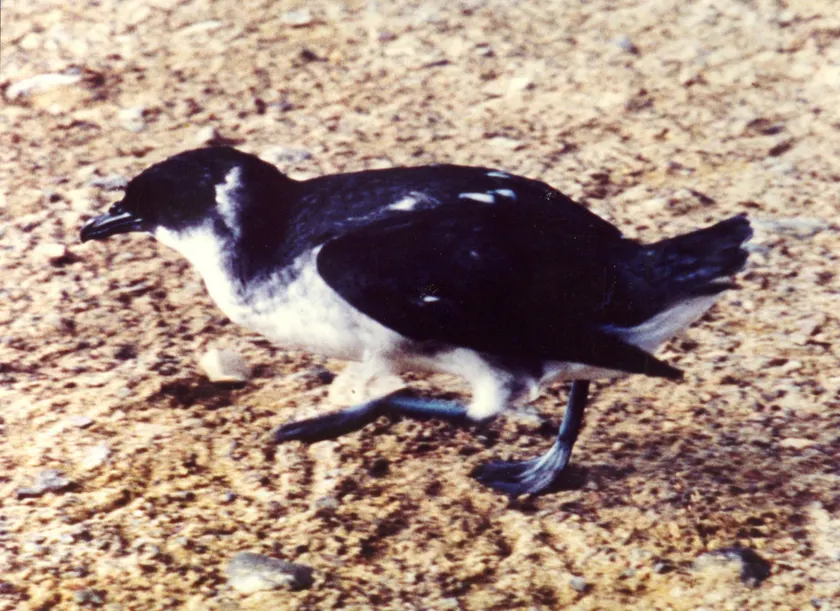
Diving petrels on Choros Island climbed from 12,000 pairs to nearly 90,000
A new count says breeding pairs of Peruvian diving petrels multiplied after invasive rabbits were removed. Nesting ground grew from 3.2 hectares to more than 10.
Verified · Discover Wildlife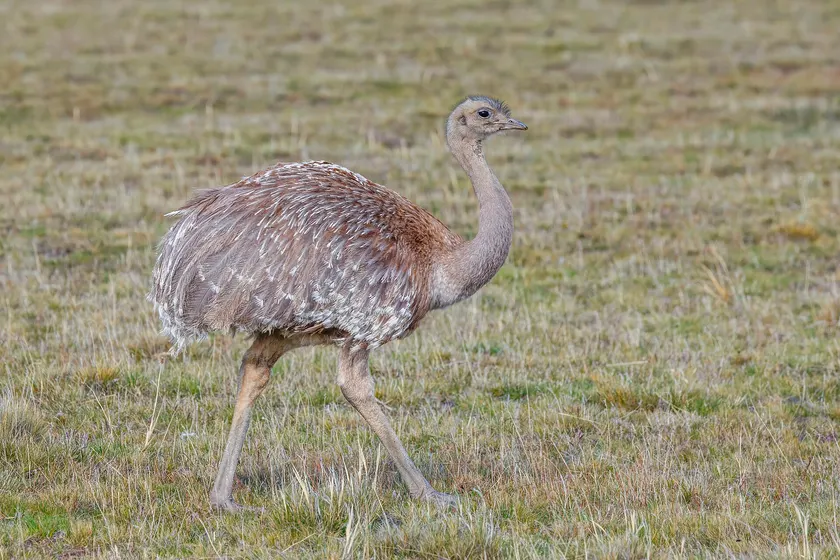 Animals
Women in Patagonia released Darwin's rheas back onto the steppe
A women-led team at Patagonia National Park is raising Darwin's rheas and walking them back onto the Chacabuco Valley.
Verified · Mongabay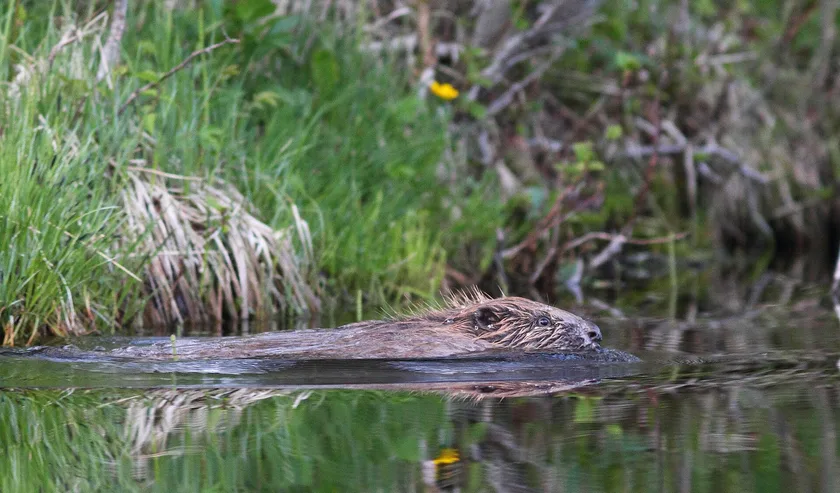 Science
A Hatchmere study found a beaver enclosure held water through a drought
University of Liverpool researchers watched the Cheshire enclosure stay wet in July 2022 while the surrounding peat risked drying out. A pair that arrived in 2020 has since had seven kits. The paper is about that fenced site, not a new wild release.
Verified · BBC News