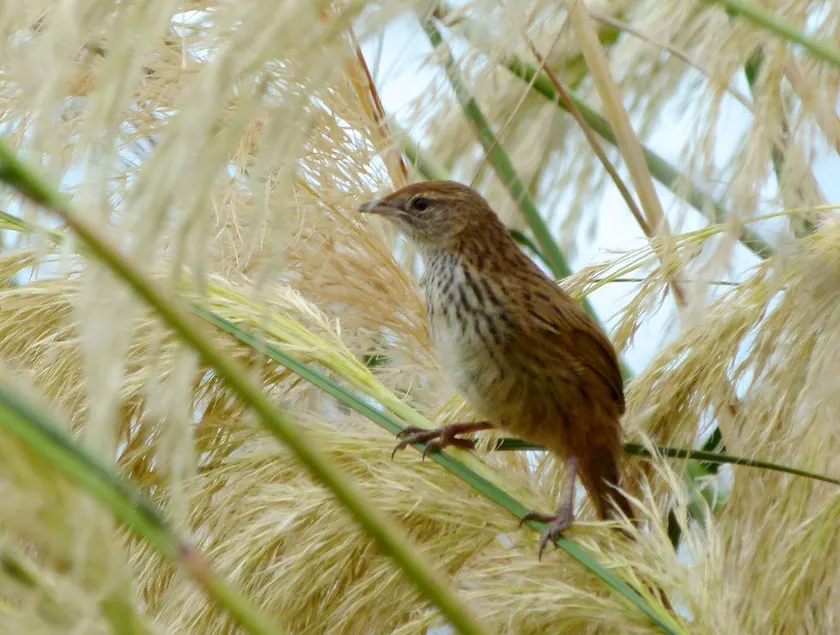
Fernbirds returned to a Wellington wetland after about 70 years
Mātātā showed up on their own at Lake Kōhangaterā during a survey that was only meant to ask whether a reintroduction was even possible.

Read the original
The reporting lives at RNZ. Our summary is checked against it, and we link it on every story.
Fernbirds, or mātātā, have been seen again at Lake Kōhangaterā in Wellington's East Harbour Regional Park. RNZ reported the sightings on October 23, 2026. In the region the bird is listed as vulnerable. It had been missing from Wellington and the Wairarapa for about 70 years, aside from small populations on the west coast of the lower North Island. Fernbirds are poor flyers, so a return across that gap was not what the survey was designed to find.
The birds turned up on their own during a baseline count that was meant to help decide whether anyone should try to bring them back. Surveyor Shane Cotter recorded more than one bird. Lee Hunter of Taranaki Whānui and Jack Mace, Greater Wellington's director of delivery, linked the sightings to work already in progress. Rōpū Tiaki, iwi, and volunteers have been trapping predators and restoring the Parangarehu Lakes. The next step is to learn how many birds are using the wetland, not to carry a new group in.
For the classroom
Radio New Zealand reported on October 23, 2026, that fernbirds were seen again at a wetland in Wellington. The birds had been missing from that part of the lower North Island for about 70 years. They are weak flyers, and they arrived on their own while people were checking the lakes. Local iwi and volunteers have been trapping predators and restoring the wetland.
- Why does a bird that rarely flies need a healthy wetland close by?
- How can trapping predators help a bird come back without being carried there?
- What is one job volunteers can do for a wetland?
For a teacher to read with a class. Print the story of the day · All classroom stories
More good news
Other stories in the same neighborhood of kindness.
 Animals
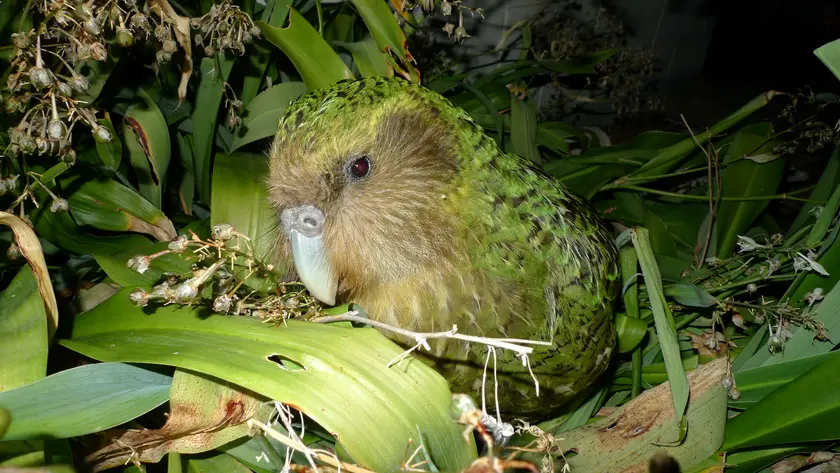
Two more kākāpō joined a fenced Waikato sanctuary, along with giant wētā
Sanctuary Mountain Maungatautari now has five kākāpō in a mainland trial, and 122 Mahoenui giant wētā were released into the same fenced forest.
Verified · RNZ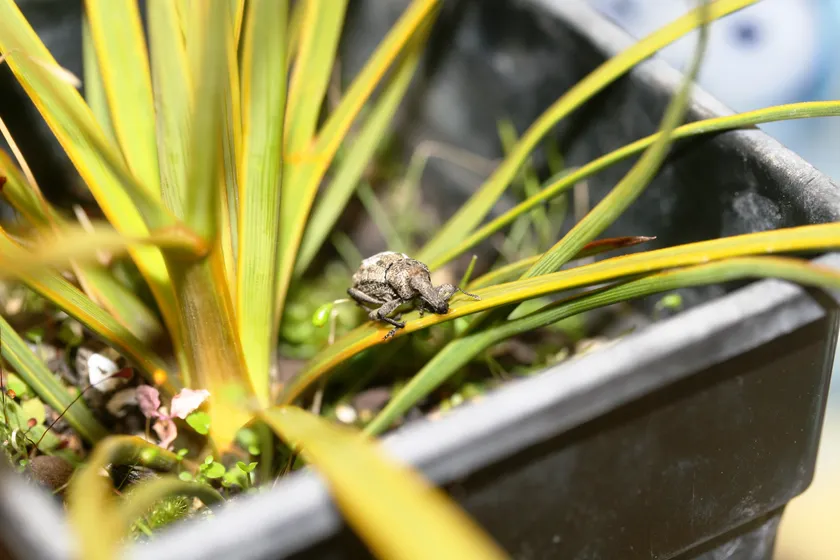 Animals
About 216 Canterbury knobbled weevils left captivity for the foothills
A breeding effort that started with six insects produced three generations. The Department of Conservation has put about 216 into the Ashburton Lakes on a trial release.
Verified · The Press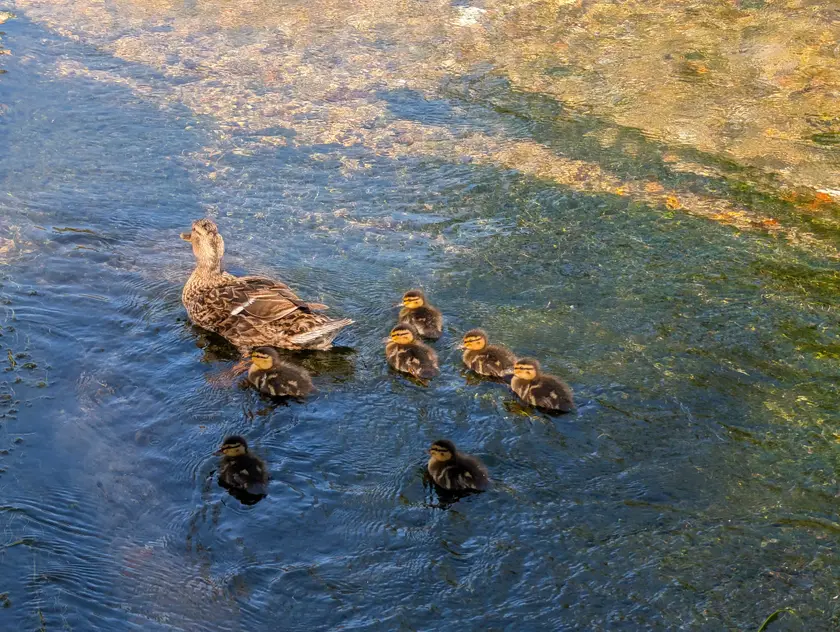 Animals
Road workers in Alexandra pulled a brood of ducklings out of a drain
A cyclist on the rail trail spotted the birds in a mudtank. Contractors climbed down, and the mother duck later crossed the road with her brood while people watched for cars.
Verified · RNZ