A Xochimilco farming network won a €100,000 prize for the chinampas
Mongabay reported that Lucio Usobiaga and Arca Tierra received the Basque Culinary World Prize for work with chinampa farmers, including biofilters meant to help axolotls.

Read the original
The reporting lives at Mongabay. Our summary is checked against it, and we link it on every story.
Mongabay reported on November 18, 2026, that Lucio Usobiaga won the Basque Culinary World Prize for Arca Tierra, a network that links chinampa farmers with restaurants in Mexico City. The prize, started in 2016 by the Basque government and the Basque Culinary Center, awards €100,000, about $110,000, to a project the winner chooses. Chinampas are artificial garden islands in the wetlands of Xochimilco, older than the Aztec city. Farmers still grow flowers, maize, legumes, and vegetables on them.
Arca Tierra cultivates about 6 hectares, roughly 15 acres, and works with 50 families across Xochimilco, Puebla, Hidalgo, and the State of Mexico. Those farms supply about 60 Mexico City restaurants. Usobiaga told Mongabay the farmers have lived with the chinampas for generations and that the islands filter water back to the aquifer, hold carbon, and keep a culture going, even as urbanization and abandonment eat the system away. The canals are the last remaining habitat for wild axolotls. He said the group has helped develop biofilters that keep predators out and clean the water so axolotls can live there, and that the farming they promote does not use toxic chemicals. The news is the prize and that farming network. It is not a measurement of how many chinampas were saved this month.
For the classroom
Mongabay reported on November 18, 2026, that Lucio Usobiaga won the Basque Culinary World Prize for a project called Arca Tierra. The prize is 100,000 euros. Chinampas are garden islands in the canals of Xochimilco, in southern Mexico City. Farmers still grow flowers, maize, beans, and vegetables there. Arca Tierra works about 6 hectares with 50 families, and those farms supply about 60 restaurants. The canals are the last wild home of the axolotl, a Mexican salamander. The group has helped build filters so the water is cleaner, and it avoids toxic sprays. Chinampas are still being lost. The prize is recognition, not a count of canals saved.
- How can a farm in a canal help both people who eat the food and an animal that lives in the water?
- Mexico City is a huge city. Why might old garden islands inside it still matter?
For a teacher to read with a class. Print the story of the day · Morning announcements · All classroom stories · This week's Good News Friday pack
Mexico City, MexicoFarmingWildlife conservationCommunity gardensGood news on November 18
More good news
Other stories in the same neighborhood of kindness.
 Community
A free children's library opened in Mexico City's Chapultepec Forest
UNESCO said the SDG Book Club library, opened October 17 at the Audiorama, holds 92 books that children and teens can read on the spot.
Verified · UNESCO Community
Seven children in Monclova were chosen for free surgery to straighten their eyes
A pediatric eye doctor from Monterrey and a local anesthesiologist waived their fees. The operations were underway November 6 and 7 at the DIF hospital for children ages 6 to 12.
Verified · Vanguardia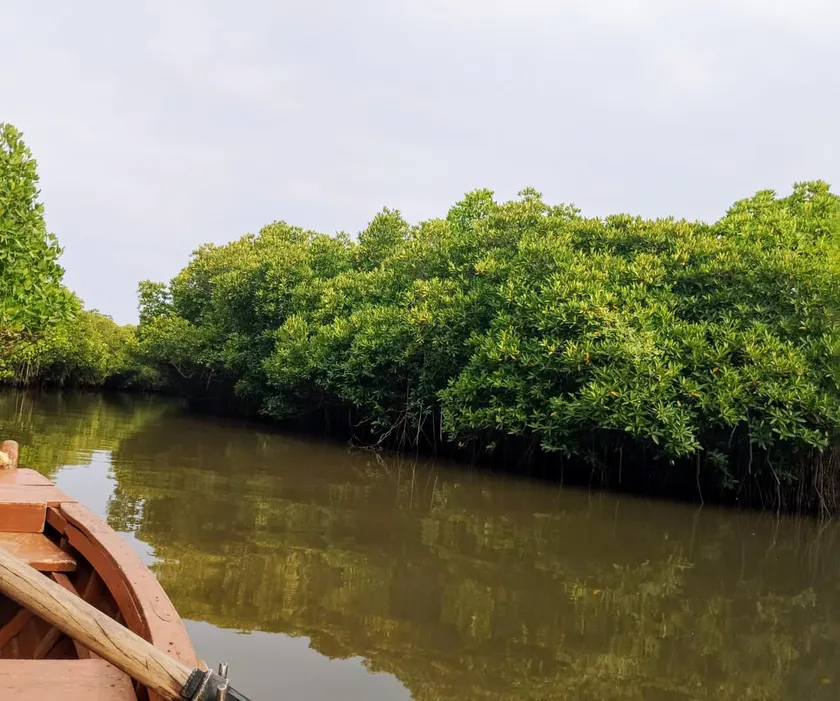 Community
Raised mounds helped a mangrove forest return in Alvarado
After rows of seedlings died, a Veracruz team copied the clumps they saw in healthy forest and planted on hand-built mounds. A first patch of about 2,000 trees became more than 4,000 as seedlings drifted in and took root.
Verified · Mongabay