Quechua women in Chiaraje are replanting the trees that hold the water
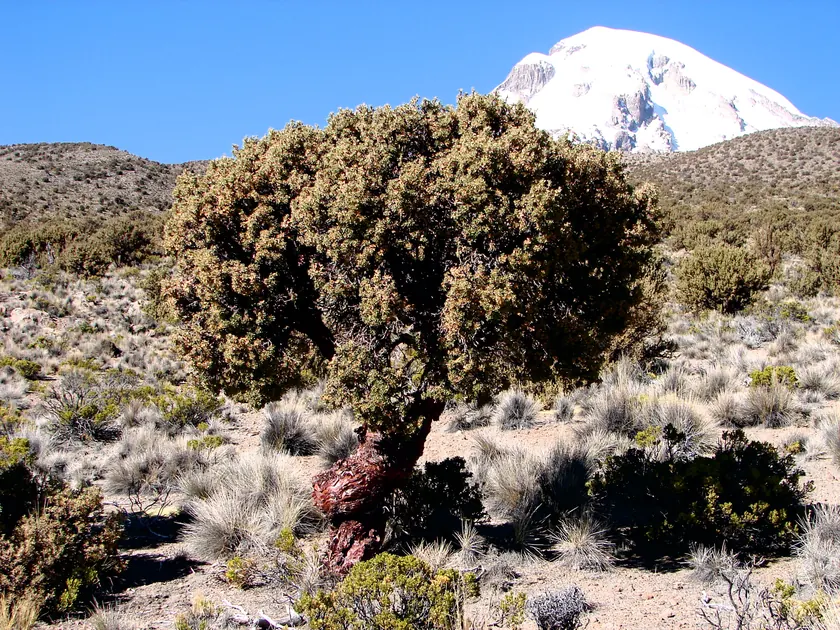
Mongabay reported that a Quechua women's group has joined a project that has put nearly 500,000 native kewiña seedlings into the Tunari mountains since 2022.

Read the original
The reporting lives at Mongabay. Our summary is checked against it, and we link it on every story.
Quechua women in Chiaraje are raising the native trees that used to hold water on Bolivia's high ridges. Mongabay reported on November 24, 2026, that kewiña, a slow Polylepis that can grow near 4,450 metres, once filled the Tunari range. Biologists estimate about 10 percent of that cover remains, after decades of cutting for firewood, building, and small potato fields. In 2023 the IUCN listed one Polylepis found only in central Bolivia as endangered.
Andrea Vicente, a potato farmer in Chiaraje, about 3,780 metres up, told Mongabay that people used to take firewood from the kewiña without replanting, and the forest shrank. Since 2022 the nonprofit Faunagua has worked with six communities to grow seedlings in shade houses and plant them on the slopes. Executive director Rosmery Ayala said nearly 500,000 seedlings have gone into the ground, including 110,000 grown this year. Vicente's sister Irma said that after four years the air feels wetter. That is what the village has noticed. It is not a measured rainfall study.
The trees matter because their small leaves catch high fog and send it into the soil, and they lose little water through their leaves. Ayala said the water held in these forests supports both the Andes and the tropical side of Cochabamba department. Studies cited by Mongabay indicate that about 80 percent of the water used in the Cochabamba metropolitan area comes from catchment zones inside Tunari National Park. Earlier plantings of pine and eucalyptus, meant to stop erosion, instead dried the slopes. The new work uses the native tree.
The project also opened a room the women had not had. Norma Achocalla, who leads the work in Chiaraje, said women had lived scattered across the hillside with few places to meet. When they asked to learn to write their names, literacy classes were added. In a village of about 300, a core group of about 25 women formed the Warmi Kewiñas, Kewiña Women, in 2023. Andrea Vicente, the group's president, said the women can now read, write, and sign their names. A small daycare, just finished with Faunagua and other partners, will look after children while the women tend the shade house.
Ayala was plain about the time scale. These trees take decades to mature and can live for hundreds of years, so the village has to keep them after the funding moves on. Sociologist Rosario León told Mongabay that many communal forest projects fade when the organization leaves. Research scientist Jennifer Cahill said she expects this one to last because it uses an endemic tree and follows the community's own decisions about land. Andrea Vicente said she wants the forest grown by the time her children are. The seedlings are in the ground. The forest is not finished.
For the classroom
Mongabay reported on November 24, 2026, that Quechua women in Chiaraje, high in Bolivia's Tunari mountains, are growing native kewiña trees. These slow trees once covered the ridges. Biologists estimate only about 10 percent of that forest is left. Since 2022, a group called Faunagua has worked with six communities and planted nearly 500,000 seedlings. About 25 women formed the Warmi Kewiñas, which means Kewiña Women, and asked to learn reading and writing. Potato farmer Andrea Vicente, their president, said they can now sign their names. A small daycare was just finished. The trees grow slowly, so the forest is still years away.
- Why would a tree that grows above the usual tree line matter for the water in a city below?
- What is something your class could plant and then look after for more than one season?
For a teacher to read with a class. Print the story of the day · Morning announcements · All classroom stories · This week's Good News Friday pack
Chiaraje, BoliviaTreesIndigenous communitiesLiteracyGood news on November 24
More good news
Other stories in the same neighborhood of kindness.
 Animals
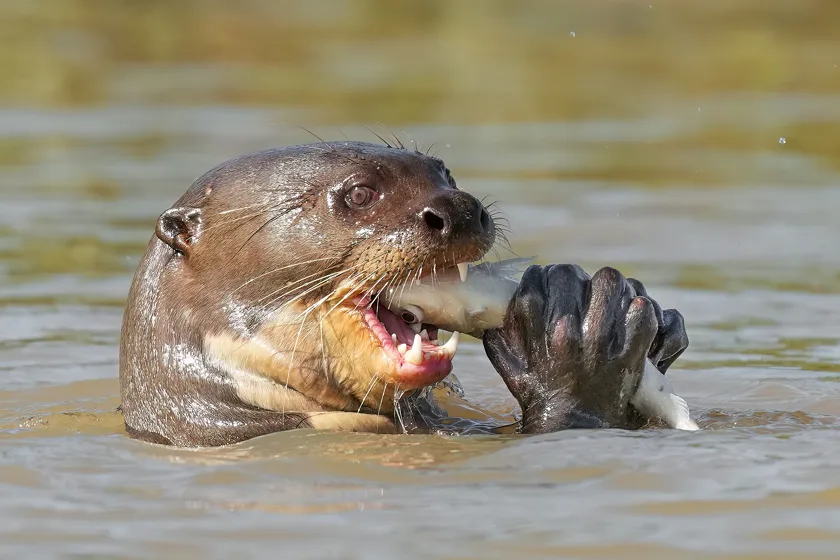
A new reserve along the Iténez protects a corridor of Amazon wildlife
Good News Network reported that the Agua Dulce municipal reserve covers about 715,000 acres on the Bolivia-Brazil river border, including jaguars, giant otters, and river dolphins.
Verified · Good News Network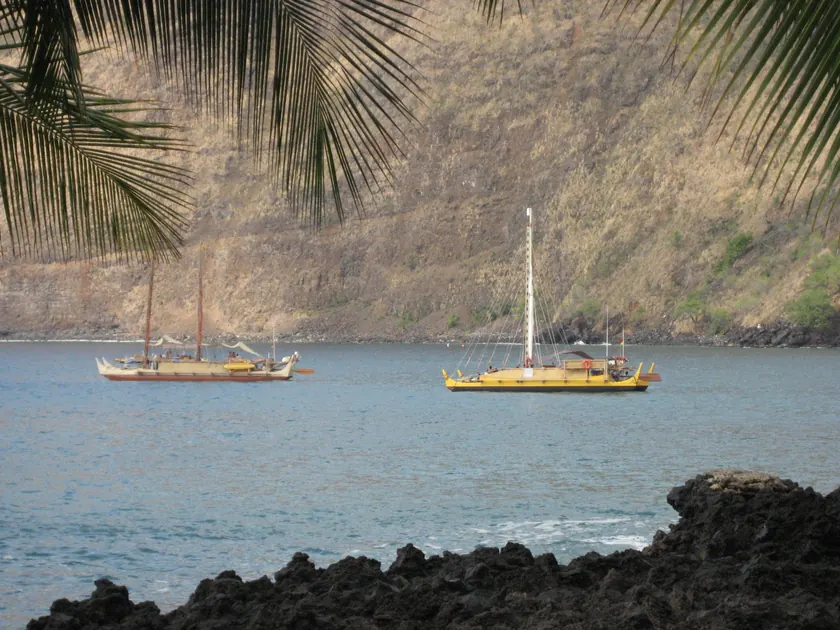 Community
Totoya students learned their island from elders on a sailing canoe
RNZ reported that 45 children from Totoya's four villages wove food baskets, built a model of the island, and sailed with the last surviving local voyager.
Verified · RNZ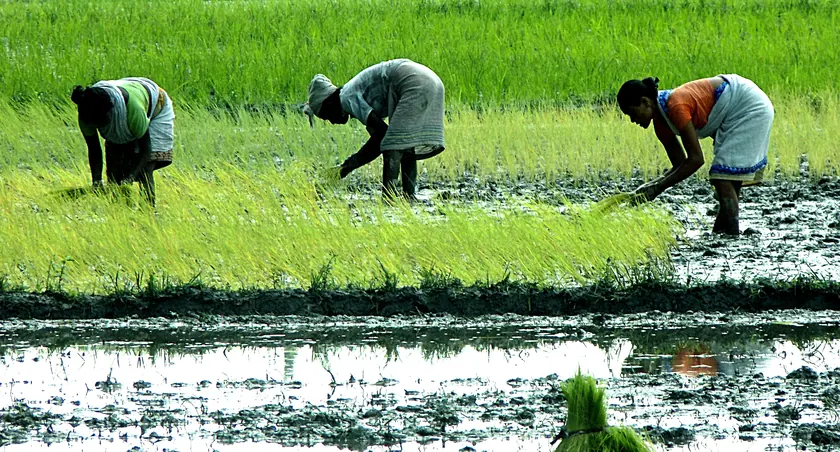 Community
Women in Ramni are growing the herbs their meadows were losing
Mongabay reported that high-altitude farmers in Uttarakhand now raise kutki and other medicinal plants on old wasteland, instead of digging them out of alpine meadows.
Verified · Mongabay