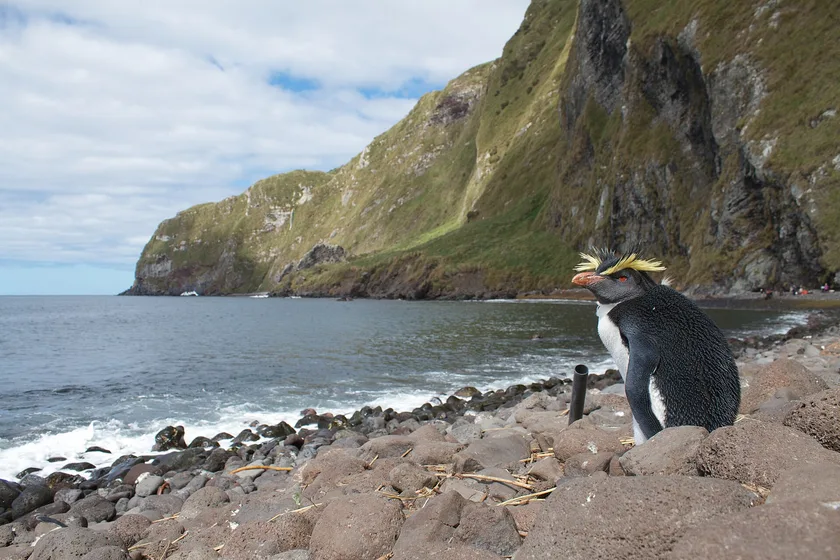
Three northern rockhopper penguin chicks hatched at a park in Shirahama
Adventure World said all three fertile eggs from this season hatched, on October 25, 27, and 28. One chick might be from artificial insemination, but a DNA test expected around December has not been done. Visitors could see the chicks for about a week.

Read the original
The reporting lives at Straight Press. Our summary is checked against it, and we link it on every story.
Straight Press reported on November 4, 2026, that three northern rockhopper penguin chicks have hatched this season at Adventure World in Shirahama, Wakayama. The park said it confirmed three fertile eggs and that all three hatched: one on October 25 and one on October 27 from pair R003 and R006, and one on October 28 from pair R041 and R045. The October 28 chick is the one that might have been conceived by artificial insemination. The same pair may also have mated naturally, so the park said a DNA paternity test about a month after hatching, expected around December, has to come first. Until that test, a "world first" is a hope the park has stated, not a result.
Keepers are raising the chicks in an incubator for about a week, then returning them to the parents in a closed area. The public display of the incubator chicks started October 30 on the first floor of Penguin Base, from 10 a.m. to 5 p.m., and was described as lasting about a week. A YouTube livestream of a hatching peaked at 19,000 people watching at once. Northern rockhoppers, Eudyptes moseleyi, are listed as endangered by the IUCN. Adults at the park are about 55 to 65 centimetres long. The news is the three hatchings and the public window. It is not a confirmed artificial-insemination success, and the chicks are not on view for the rest of the season once they rejoin the adults.
For the classroom
A news report from Japan said three northern rockhopper penguin chicks hatched this season at Adventure World in Shirahama. The eggs hatched on October 25, October 27, and October 28, 2026. Keepers are raising the chicks in incubators for about a week, then plan to return them to the parent birds. Visitors could watch the chicks on the first floor of the penguin building from October 30, between 10 in the morning and 5 in the afternoon. One chick might have come from artificial insemination, but the park said a DNA test around December is still needed before anyone can say that for sure. A livestream of one hatching drew as many as 19,000 people at once.
- Why would keepers wait for a DNA test before saying how a chick was conceived?
- What might a live camera let people see that a visit a week later would miss?
For a teacher to read with a class. Print the story of the day · Morning announcements · All classroom stories · This week's Good News Friday pack
Shirahama, JapanBirdsZoosWildlife conservationGood news on November 4
More good news
Other stories in the same neighborhood of kindness.
 Animals
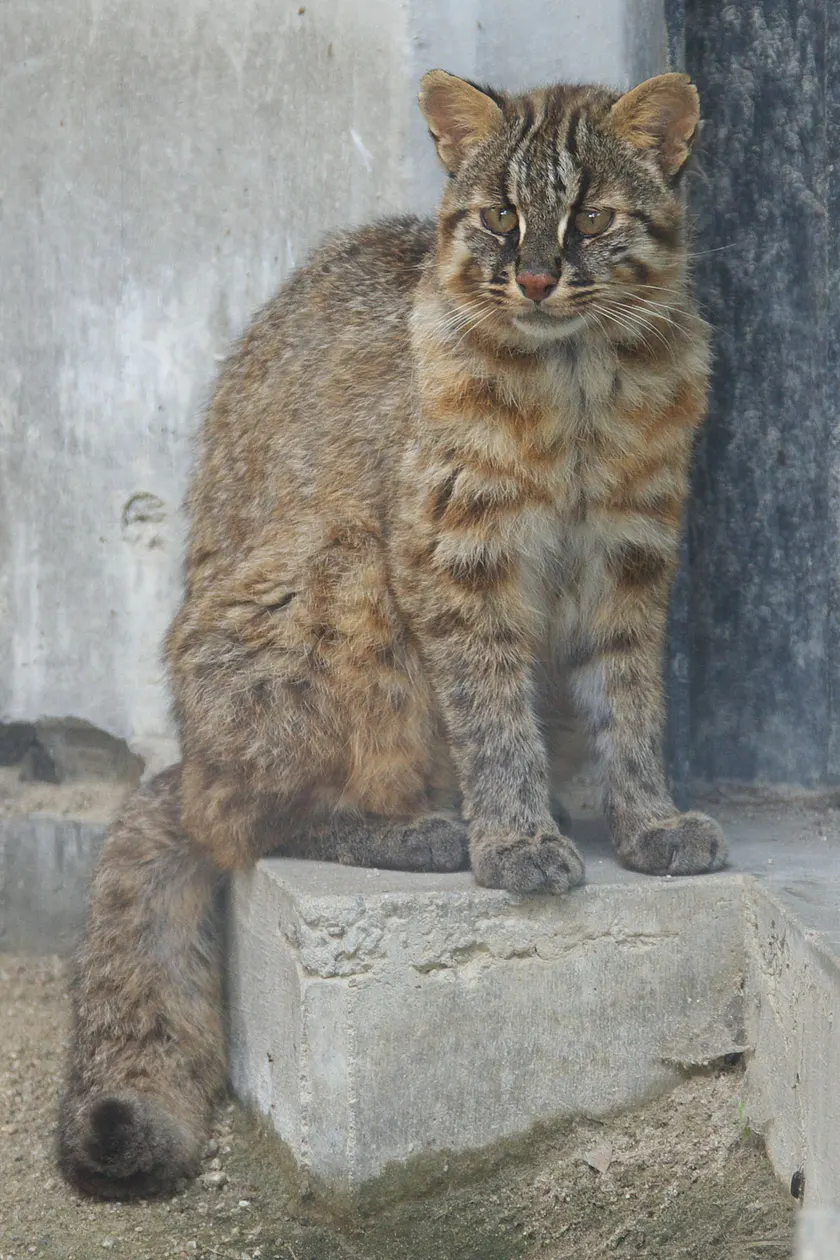
Fukuoka Zoo named a Tsushima leopard cat kitten Nagi
The public picked the name from 5,656 votes. The zoo, which began keeping the endangered cats in 1996, has raised 63 of the 88 born in Japanese facilities.
Verified · The Mainichi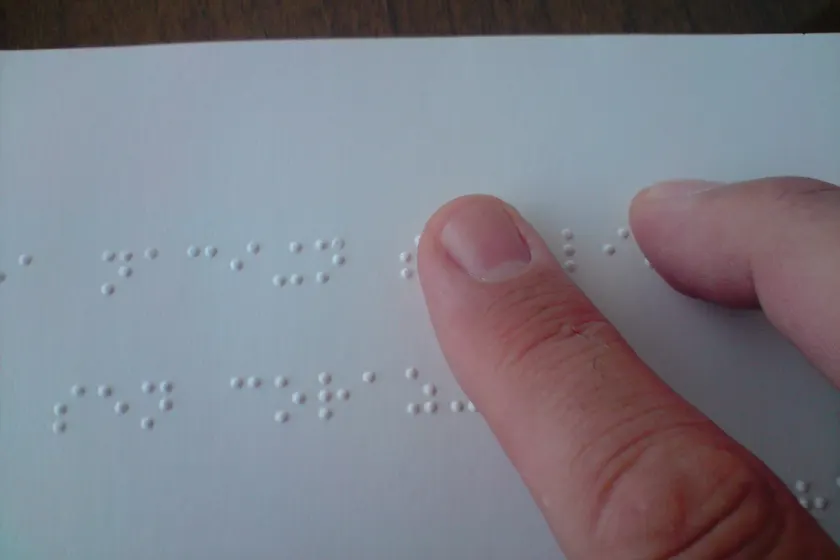 Community
Kochi students read braille with Japan's emperor and empress
At the Otepia talking-book library, students who are visually impaired showed braille research books, and paper makers and artists followed.
Verified · The Japan Times Science
Japan sent a probe toward the moons of Mars from Tanegashima
JAXA's MMX spacecraft lifted off on an H3 rocket and separated onto a path toward Mars. The samples are not home yet.
Verified · The Japan Times