A melanoma researcher and a physicist share Australia's top science prize
ABC Science reported that Georgina Long and Anthony Thomas each received the $250,000 Prime Minister's Prize for Science, the first time two fields have split the top award.

Read the original
The reporting lives at ABC Science. Our summary is checked against it, and we link it on every story.
Georgina Long and Anthony Thomas have jointly won the 2026 Prime Minister's Prize for Science, ABC Science reported on November 24, 2026. Each receives $250,000. It is the first time the top prize has been shared by two fields. Long is a medical oncologist at the University of Sydney and the Melanoma Institute Australia. Thomas is a theoretical physicist at Adelaide University.
ABC said Long led the international work that produced the first effective drugs for advanced melanoma. Survival for people with stage 4 disease improved 10-fold, and survival for people with secondary cancers in the brain improved 24-fold. Those figures describe trials already completed, not a new study announced with the prize. Her work also fed melanoma treatment guidelines in Australia, Europe, and the United States. She told ABC her goal is still to cure cancer. The prize does not say that goal has been reached.
Thomas's prize is for physics, not for a medicine. Early in his career he helped build a model of how protons are structured inside an atomic nucleus, work ABC said has shaped how scientists explain the smallest pieces of ordinary matter. The news is the shared award and the results already on the record. It is not a new patient trial.
Sydney, AustraliaMedical researchSTEMGood news on November 24
More good news
Other stories in the same neighborhood of kindness.
 Science
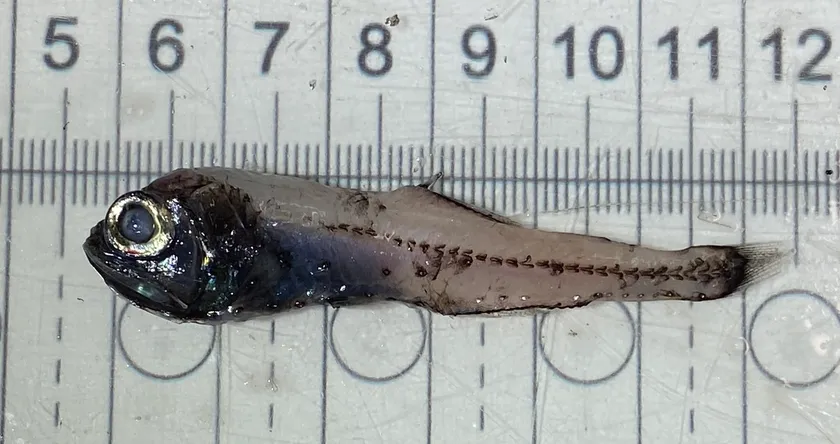
Australia has a field guide to 141 kinds of lanternfish
CSIRO researchers published illustrated keys, through the Australian Museum, to 30 genera and 141 species in Australian waters. The fish make their own light and rise toward the surface after dark.
Verified · Phys.org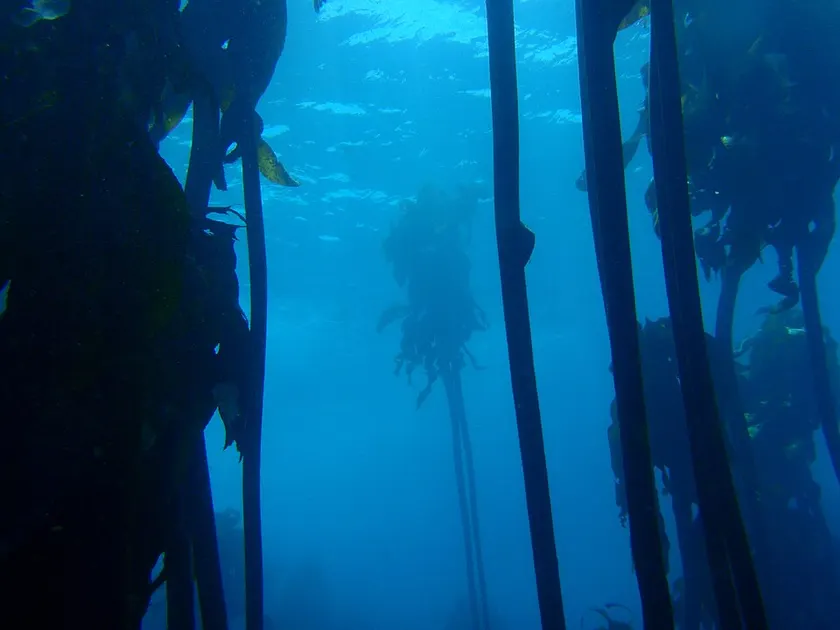 Science
Deep seaweed forests off Lord Howe Island have spread 22-fold
Phys.org reported a study that found adult Sargassum howeanum, missing for 90 years, in forests 20 to 38 metres down. Why the forests grew is still an open question.
Verified · Phys.org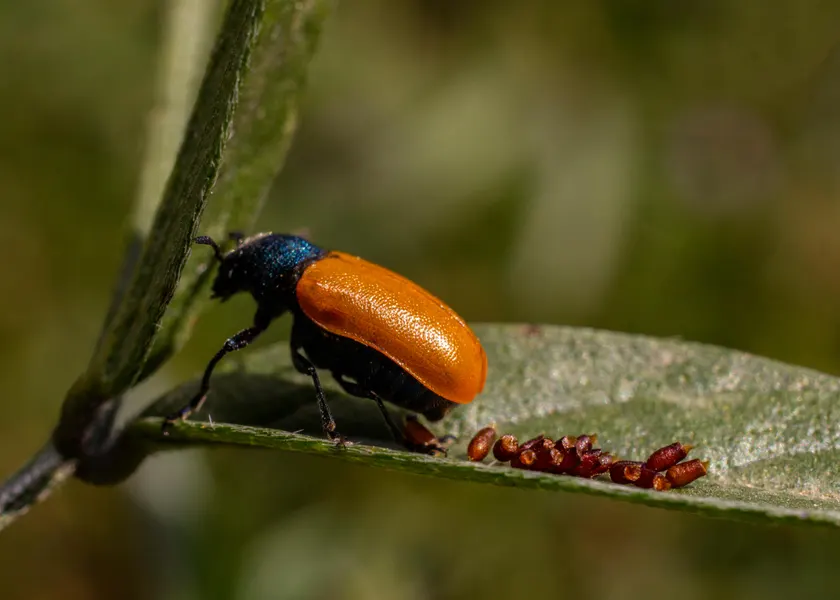 Science
Insects are returning on two islands where the rats and mice are gone
The Conversation reported that invertebrates are more numerous on Macquarie Island and Antipodes Island after rats, mice, and, on Macquarie, rabbits were removed.
Verified · The Conversation