Meerkats in the Kalahari found their way home after a short move
Phys.org reported a Kalahari study in which 18 of 20 adult meerkats set off after being moved 1.5 kilometres, and all 18 reached a burrow, the capture point, or their group.

Read the original
The reporting lives at Phys.org. Our summary is checked against it, and we link it on every story.
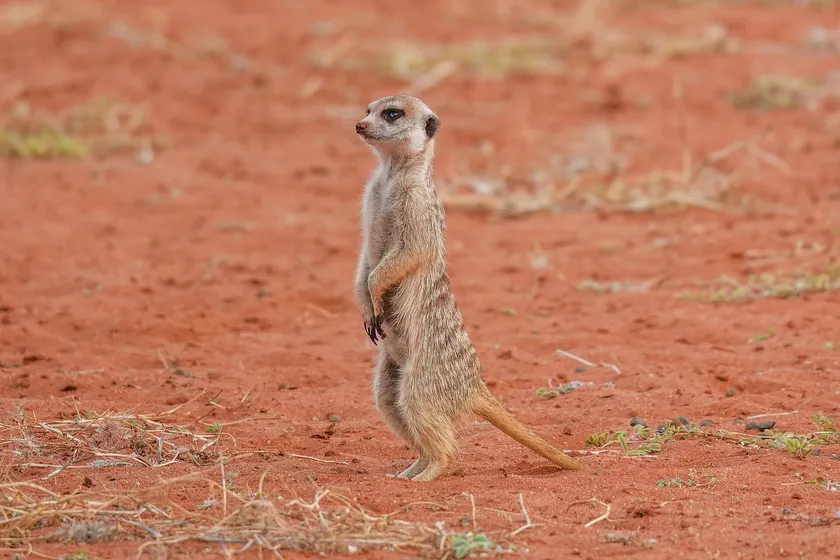
Adult meerkats moved a short distance inside their own land found the way back without the group, Phys.org reported on November 19, 2026. Mathilde Martin, Benjamin Robira, Matéa Rossi, and Marta Manser of the University of Zurich, with volunteers at the Kalahari Research Centre, published the work in the Journal of Experimental Biology. They fitted a few animals at a time with small collars, then carried one foraging meerkat 1.5 kilometres away and set it down still inside the territory.
Of 20 adults from five groups, 18 left the release point. All 18 of those homed, reaching a sleeping burrow, the capture point, or the group directly. Seventy percent rejoined the group on their own. Two males stayed near the release site and were returned after 90 minutes. Some animals started within minutes. Others circled for a while, then held a fairly straight line, pausing to look or to sniff. Groups keep more than one burrow, so arriving at a hole was not always the same as finding the family, and the search continued.
The paper says differences in how well they did were not explained by sex or by experience. Daily life in the group seems to teach the route. The study is about that skill in the adults who were tested. It does not say every pup can do the same thing, and it does not change how the groups are protected.
For the classroom
Phys.org reported on November 19, 2026, that adult meerkats in South Africa's Kalahari found home without their group. University of Zurich researchers, working with the Kalahari Research Centre, moved 20 adults about 1.5 kilometres, still on the group's own land. Eighteen left the release spot. All 18 reached a burrow, the capture place, or the group. About 70 percent found the group on their own. Two males stayed, and people took them back after 90 minutes. The meerkats looked around and sniffed. Sex and experience did not explain who did better. The test was on adults, not pups.
- What clues might a meerkat use when it stops and sniffs on the way home?
- Why did the researchers keep the release inside the group's own land?
For a teacher to read with a class. Print the story of the day · Morning announcements · All classroom stories · This week's Good News Friday pack
Van Zylsrus, South AfricaWildlife conservationSTEMGood news on November 19
More good news
Other stories in the same neighborhood of kindness.
 Science
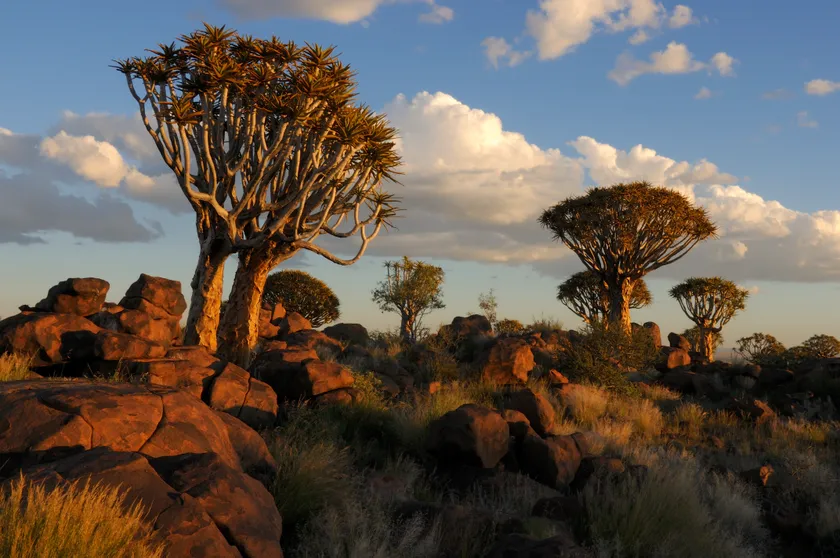
A Stellenbosch researcher will test how to protect quiver trees
Business Day reported that Wendy Foden won the first Oppenheimer research chair on conservation in a changing climate. The five-year programme will focus on desert succulents in the Richtersveld, and the results are not in yet.
Verified · Business Day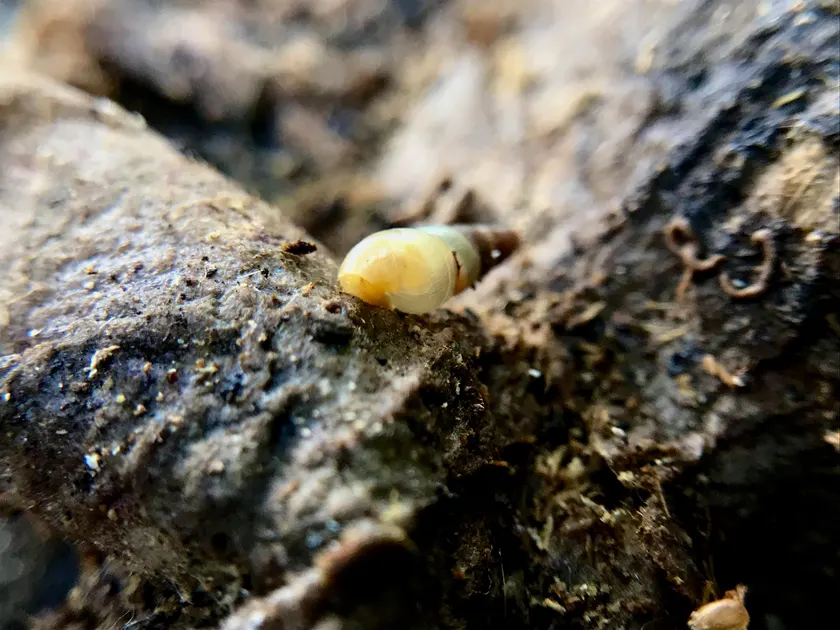 Science
Fossil termite nests near Calitzdorp get a scientific name
University of Cape Town researchers named the 400,000-year-old burrows for the Little Karoo town and gave the local museum a poster about the find.
Verified · Phys.org Community
Western Cape vineyards are treating habitat and soil as part of the harvest
The Conversation reported that a team looked at 107 vineyards, about a fifth of the region's total. Growers described cover crops, stream repair, and tighter pest control as business tools.
Verified · The Conversation