TodayExplainersHome repair crews
Explainer
How to volunteer on a home repair crew
Habitat for Humanity and Rebuilding Together run local crews that repair and build homes. Here is how to join one without improvising a construction site.
What it is
A home repair crew is a group of volunteers, led by a local nonprofit, that fixes or builds housing for people who cannot pay for the work themselves. Two national organizations are the usual front doors. Habitat for Humanity invites volunteers to build or repair homes with families, and also to help at ReStore resale shops. Its near-you page looks up local opportunities by place. Rebuilding Together describes its work as repairing homes and revitalizing communities, and it sends you to a local affiliate.
The affiliate, not the national homepage, chooses the house, the partner family, the date, and the safety rules. A story about one roof in one town is not a template you can copy with a pickup truck. The template is: join the crew that already has insurance, a lead, and the owner's permission.
How it works
A homeowner, a veteran, or a family applies to the local group, or a partner such as a church refers them. The affiliate visits, agrees on the repairs, and lines up materials. Volunteers register for a shift. On the day, a site lead assigns jobs. Experienced people may get the roof or the saw. New volunteers may get paint, landscaping, lunch, or a ReStore shift. Both count.
Some projects are a full build that takes months. Some are a one-day blitz: grab bars, a ramp, a porch step, weatherstripping. The homeowner is a partner in Habitat's model, which can include their own sweat equity, not a passive recipient. Rebuilding Together's repairs are aimed at keeping someone safely in a home they already have. Read the affiliate's page so you know which kind of day you signed up for.
Money and materials move through the organization. If a business wants to sponsor a roof, the clean version is a gift to the affiliate, with the family's privacy intact. A televised plea for a tarp is an emergency. The follow-up that lasts is the crew that comes back and does the repair properly.
How to join a crew
The steps on this page are the safe order: find the affiliate, take their orientation, accept the job they have, follow the lead, and protect the family's privacy. If you cannot swing a hammer, say so. Meal teams, childcare during a build, and donation sorting are real roles.
Do not go door to door offering to "fix up" a stranger's house. People who prey on older homeowners use that script. A legitimate affiliate will not ask you to collect cash at the door or to pressure a family into a photo. If a friend needs a ramp and no affiliate can take the job soon, the next call is a disability agency or a center for independent living, not an untrained weekend crew on a roof.
Students sometimes build as a class. That works when the affiliate trains them and an adult from the organization is in charge. It does not work as a surprise service project with power tools.
Find the local affiliate
Search Habitat for Humanity or Rebuilding Together by your town. The national sites point to local groups. A crew that is not listed there may still be real, but start with the groups you can verify.
Sign up for their orientation
Affiliates set age rules, waivers, and what a first day looks like. Complete that step before you buy tools or recruit a crowd.
Take the job they assign
You might paint, build, sort donations at a ReStore, or bring lunch. The useful volunteer does the opening they actually have.
Follow the site lead
One person runs safety. Use their tools and their plan. Do not add a project, a higher ladder, or a repair the homeowner did not ask the affiliate for.
Leave the home private
The family is not a backdrop. Ask before you take photos. After the day, the affiliate, not a group chat, owns the follow-up.
A few safety notes
- Join an organized crew. A few neighbors with a ladder can make a roof worse, or get hurt, even when the offer is kind.
- Roofs, electrical work, gas lines, and old paint are not first-day jobs. Do the task the site lead assigns.
- Wear closed-toe shoes and follow the affiliate's safety talk. If you are told to come down from a ladder, come down.
- Do not photograph a family's home, or post their address, unless they and the organization have agreed.
Sources
In short, for kids
Some volunteer groups fix roofs, steps, and ramps for people who cannot hire the work. Habitat for Humanity and Rebuilding Together are two national groups with local chapters. A crew has a leader. Volunteers do the jobs that leader assigns, and they wear the right shoes. Children can sometimes help with painting or carrying light things if the chapter invites them. They do not go up on a roof. The safe way to help is to sign up with the group, not to knock on a stranger's door with a ladder.
For a teacher to read with a class. Classroom stories
Stories from the archive
Related reporting already on this site. Each one still links to the newsroom that reported it.
 Heroes
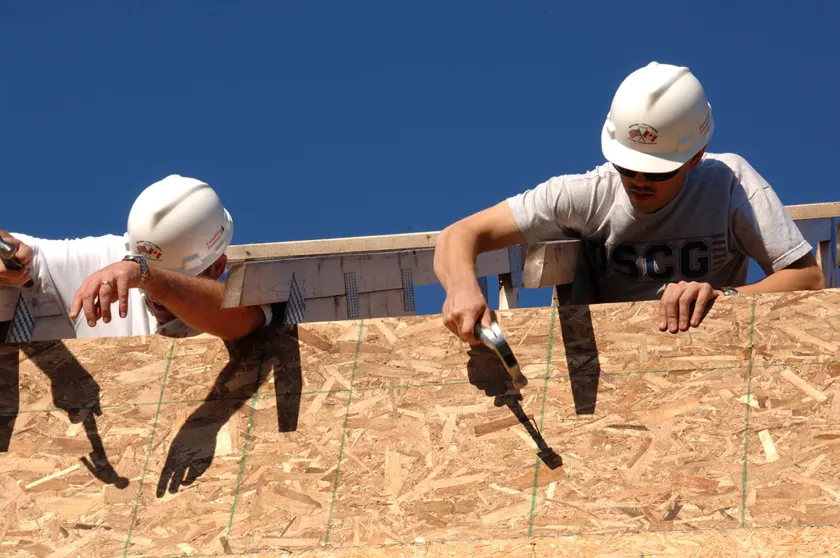
Volunteers rebuild a disabled veteran's home in Reno
Rebuilding Together Northern Nevada and Lowe's gave Army and Air Force veteran Floyd Payton a working oven, a new porch, lighting, and smoke detectors.
Verified · KOLO 8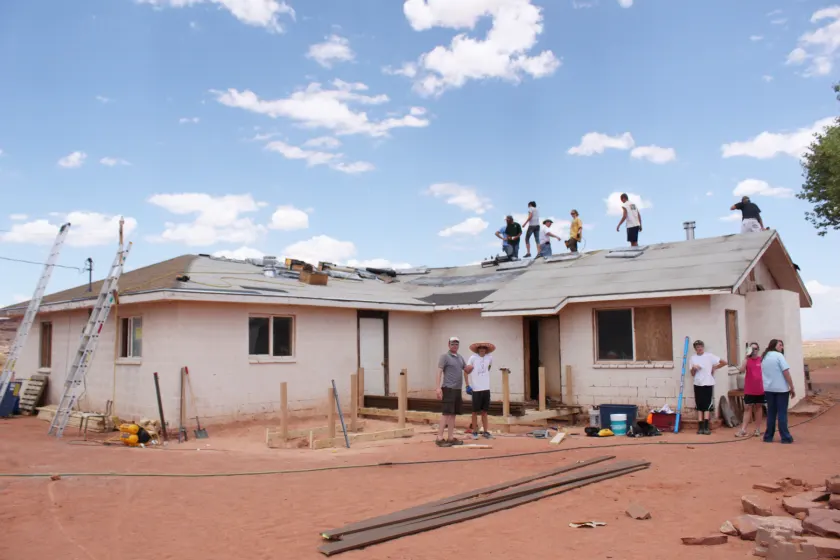 Community
Volunteers repair eight Pocahontas Island homes for free
Rebuilding Together Richmond and more than 100 volunteers rebuilt porches, steps, and safer entries for older homeowners on fixed incomes in Petersburg.
Verified · WTVR CBS 6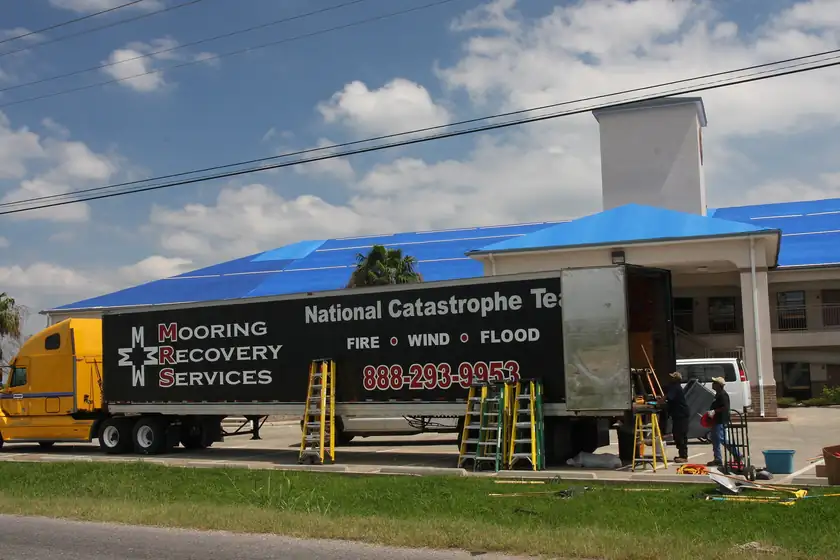 Heroes
Neighbors tarped a Wyandotte County roof after a televised plea
A silver maple fell through Gilbert Kirk's roof and trapped him and his dog for hours. After he asked on television for a tarp, neighbors covered the hole. They did not rebuild the house.
Verified · Good News Network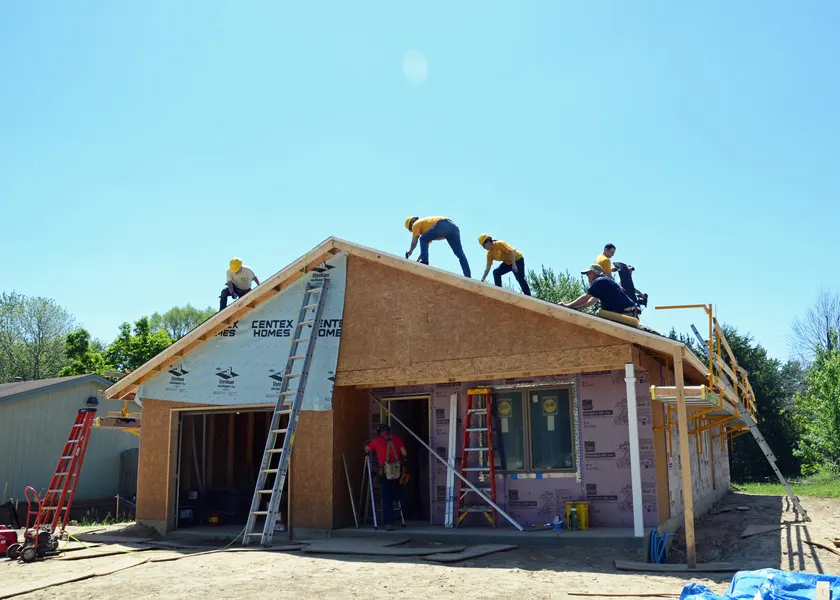 Community
Rich Township students will rebuild a donated house from the studs out
A land bank gave the district a vacant, fire-damaged home in Richton Park. Students will learn carpentry, plumbing, and electrical work, and business students plan to sell it by April 2027.
Verified · ABC7 Chicago Community
Rebuilding Together Boston wins the first Karen Holmes Ward award
WCVB gave its first public-service award in Karen Holmes Ward's name to a nonprofit that has spent 35 years repairing homes for seniors, veterans, and families.
Verified · WCVB Heroes
An Army veteran in Atlanta got a new roof at no cost
Rebuilding Together Atlanta and a roofing crew replaced Deborah Scott's leaking roof and took down a failing chimney. The job would usually cost a homeowner close to $30,000.
Verified · Atlanta News First