TodayExplainersHonor Flights
Explainer
How Honor Flights work
Honor Flights bring veterans to the nation's memorials at no charge to them. Hubs run the trips. Here is how to apply, volunteer, or give.
What it is
An Honor Flight is a trip that takes veterans to visit memorials, most often in Washington, D.C. The veterans are the guests. They are not asked to pay for the trip. Honor Flight Network is a national nonprofit made of independent local groups called hubs. Its stated mission is to celebrate veterans by inviting them to share a day of honor at the nation's memorials.
The same about page says honored veterans always travel free of charge, paid for by donations. It also says the network began with World War II veterans and later included veterans of the Korean War and the Vietnam War. A hub can explain who it is flying now. Do not assume a neighbor qualifies, or does not, from a general article. The hub's application is the list that matters.
How it works
Each hub plans its own trips. Honor Flight Network's application page says each hub has its own sign-up process, and it points veterans to the hub near them. A typical trip is a full, scheduled day or a short tour: a flight or a bus, time at the memorials, and a return. Guardians sometimes travel with veterans who want or need a companion. Whether a guardian is part of a particular trip is the hub's rule, not a rule this site can set.
Volunteers meet the group, push wheelchairs when asked, hand out water, and stand in a welcome line when the flight comes home. Donors pay for the seats the veterans do not pay for. A company or a family sometimes sponsors one flight. The gift still runs through the hub or the national organization, so the trip stays on the books.
The emotional part is real, and it is not a show. People cry at memorials. A good volunteer makes the day easier and does not turn a veteran into content.
How to help
If you are a veteran, or you are helping one apply, start at the how to apply page and then the hub it points you to. Ask the hub what paperwork and what medical details it needs. Do not buy a plane ticket on your own and call it an Honor Flight. The point of the network is the shared day, the guardianship, and the welcome, not a solo weekend in the capital.
If you want to support the trips, give through Honor Flight Network or through the hub that serves your area, and confirm you are on their official site before you pay. Hubs also need guardians and ground volunteers. They will say what training, if any, that job takes.
A classroom can write letters if a teacher confirms that a hub wants them. Unsolicited packages and surprise visits at a memorial are not help. The calm version is the useful one: an application, a donation to the real organization, or a volunteer shift they asked for.
A few safety notes
- Apply through an official hub or through Honor Flight Network. Do not send money or personal details to a page that is not theirs.
- The hub decides who can travel and whether a guardian comes along. A long day at memorials is tiring. Health questions belong on the application, with the hub.
- Ask before you photograph a veteran or share their story. A welcome-home crowd is not a reason to post someone's face.
- Children can help with letters or a send-off only when a parent and the hub have agreed to it.
Sources
In short, for kids
An Honor Flight is a free trip that takes veterans to visit war memorials, often in Washington, D.C. Local groups called hubs plan the day. The veterans do not pay for the trip. Other people donate and volunteer so the veterans can go. A class can write thank-you notes to veterans if a grown-up and the hub say that is welcome. Do not ask a veteran to tell a story they do not want to tell. Going on the trip is a grown-up decision, made with the hub.
For a teacher to read with a class. Classroom stories
Stories from the archive
Related reporting already on this site. Each one still links to the newsroom that reported it.
 Heroes
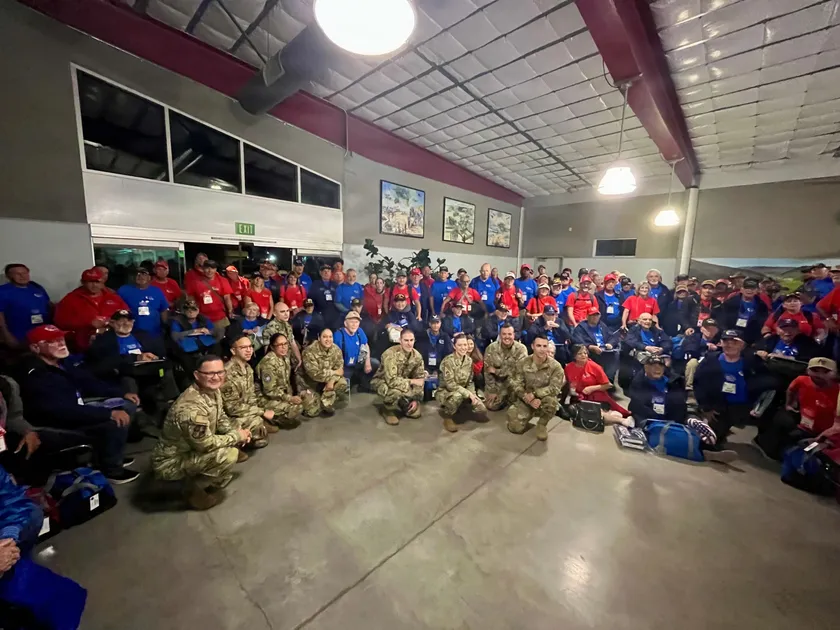
Tri-state veterans left CVG on the last Honor Flight of the year
Veterans 65 and older from Greater Cincinnati, Northern Kentucky, and southeastern Indiana flew from Hebron on October 27. The free day included the Tomb of the Unknown Soldier, and a welcome was planned for that night.
Verified · WKRC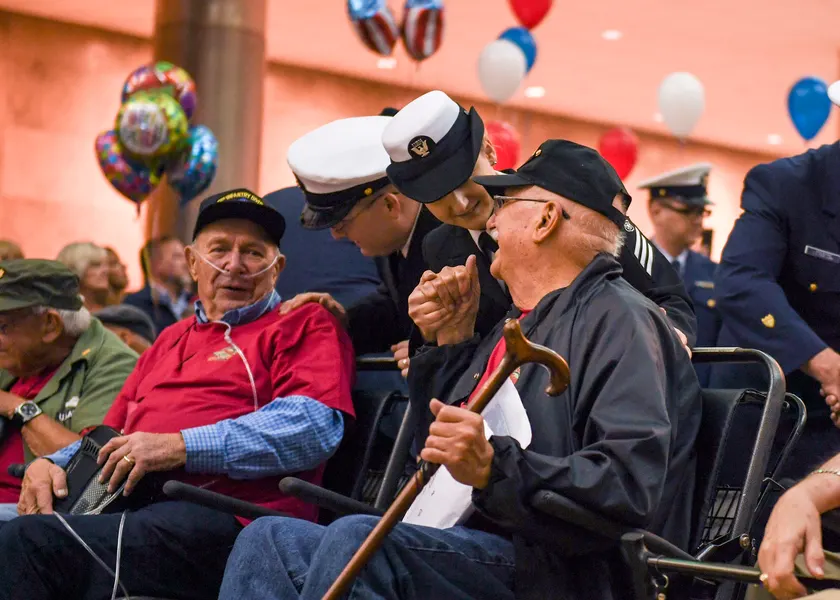 Heroes
Fifty-nine veterans came home to Rochester on the last Honor Flight of the year
Honor Flight Rochester's Mission 99 brought veterans from several eras back from the memorials in Washington. One Air Force veteran flew with his son as guardian.
Verified · News10NBC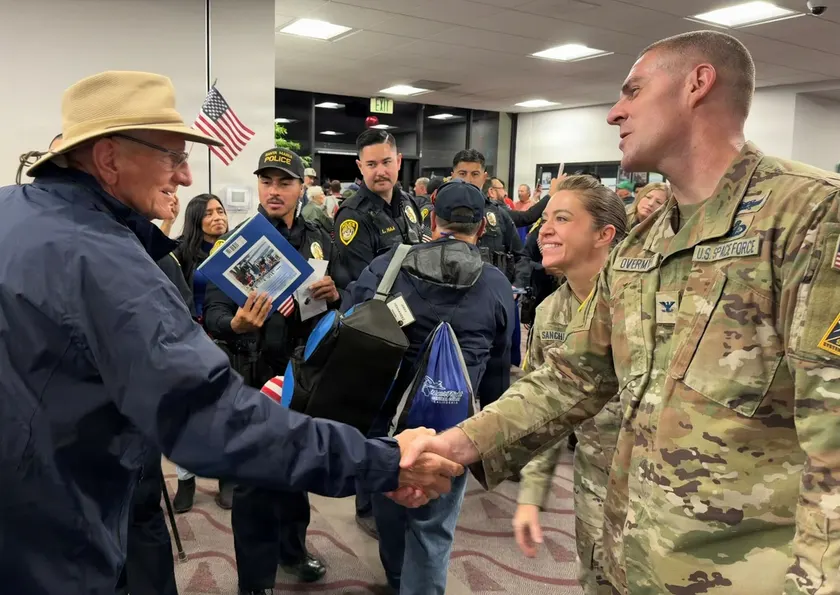 Heroes
Seventy-nine Ozarks veterans flew to Washington on the last Honor Flight of the year
Korean War and Vietnam War veterans from Missouri, Arkansas, and Oklahoma left Springfield before dawn. Army veteran Jerry Parks said he had not expected the trip.
Verified · KOLR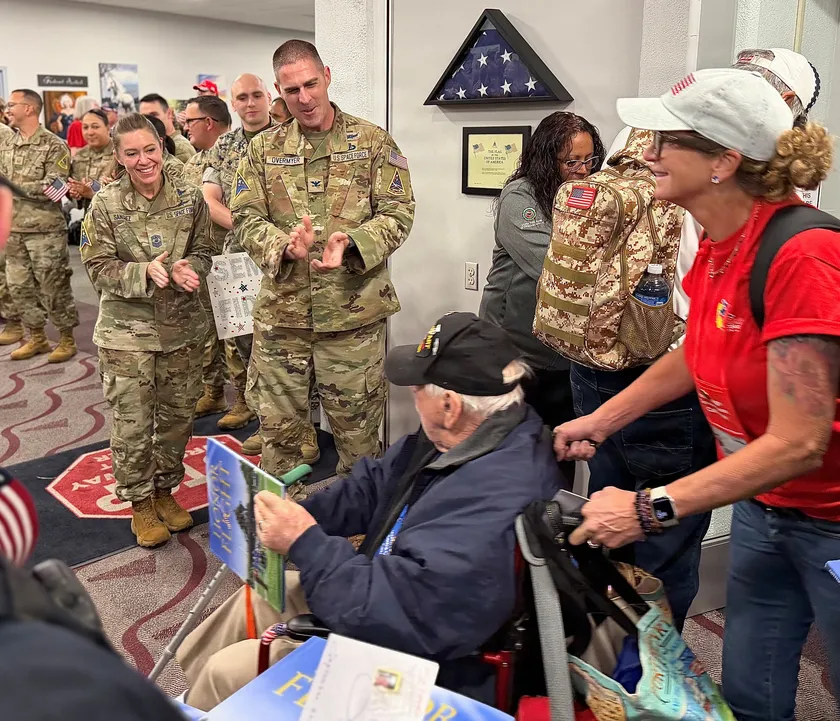 Heroes
Dozens of Central Illinois veterans flew on Peoria's 41st Honor Flight
Greater Peoria Honor Flight's fourth trip of 2026 left around 6:45 a.m. on October 20. The day in Washington was free for the veterans, and a public welcome was set for that night at the airport.
Verified · 25News Now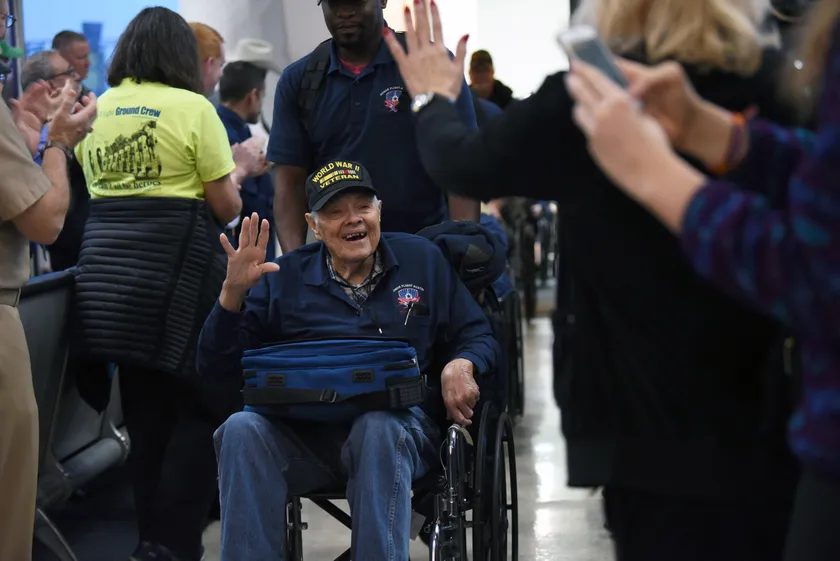 Heroes
Three Harrison County veterans came home from Honor Flight Kentucky
Bob Owen, Mike Wilson, and Dan Haley flew from Lexington on October 3 for a free day at the memorials. Rain did not stop the visit, and a flag-lined crowd met them at Blue Grass Airport.
Verified · The Cynthiana Democrat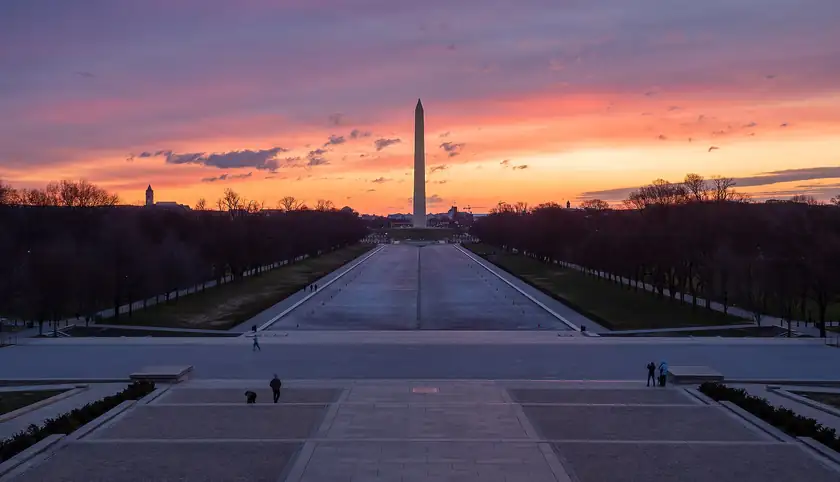 Heroes
69 veterans came home to Fresno from the 36th Honor Flight
Two women and 67 men, with service years from 1947 to 2011, returned Wednesday night to a cheering crowd at Fresno Yosemite International Airport.
Verified · FOX26