TodayExplainersSchool kindness clubs
Explainer
How school kindness clubs work
A school kindness club is a few students and one adult who plan specific, finished acts of kindness. Here is how to start one the principal would sign.
What it is
A school kindness club is a small group of students with one adult sponsor. The work is specific and finishable: notes for cafeteria staff, a coat drive the counselor designed, a welcome for a new student, a fundraiser the office can receipt. A poster that says "be kind" is a decoration. The club is the list of what the students will do on a real day, and who will clean up afterward.
The Random Acts of Kindness Foundation publishes free classroom materials, and its educator page includes a guide to starting a kindness club, along with lesson plans. Those resources are a starting kit, not a franchise you have to join. A club can be three eighth graders and a teacher. It does not need matching T-shirts to be real.
Students already do this work without the word "club": a team that brings shoes, a student who shares a prize so classmates can eat, a long project that puts books or toys into the right hands. The club is a way to make the next project easier to approve, because the school has seen the last one done well.
How it works
One adult says yes to being the sponsor. That person is the bridge to the principal. The students write a short plan: who is helped, what the students will do, when, what it costs, and how they will avoid putting another child on the spot. The principal, or whoever approves student activities, signs off. Then the club does the one project. Then it picks the next one.
Good projects have a recipient who agreed. A nursing home, a pantry, or a janitorial staff can say what would actually help. A classmate who uses a wheelchair does not need a surprise party planned about them in the hallway. Ask, privately, or help in a way that does not center their body as the lesson.
Meetings can be short. Twenty minutes at lunch is enough to assign jobs: who makes the sign, who talks to the office about money, who is the person shy students can text if speaking up is hard. Include those quiet jobs on purpose. A club that only rewards the loudest volunteer teaches the wrong lesson.
The foundation's main site is full of prompts. Use them as a menu, then cut the menu down to what your school can host. A calendar full of themes and no finished project is how these clubs die.
How to start or help
Students: ask a teacher you trust, and bring one concrete idea, not ten. Teachers: you can hand the planning to the students and still keep the boundaries. Parents: the help that works is supplies the sponsor requested, or a ride, not a takeover of the meeting.
Skip anything that needs a child's medical story, a family's finances, or a photo of someone crying. Those go viral and they are not kind. The durable version is boring in the best way: permission, a budget that touches the school account, a date, and a thank-you to the people who did the work, including the ones who stayed late to stack boxes.
If the club raises money, decide the recipient before the posters go up, and say it in one sentence a student can repeat. Changing the cause after people have given is how trust breaks. Finish the thing you announced.
A few safety notes
- Get a teacher or counselor as the sponsor, and get the principal's yes, before you announce a project or collect anything.
- Do not photograph or post another student unless the school's media rules and that student's family allow it.
- Kindness is not a prank, a surprise that embarrasses someone, or a demand that a classmate share a private story.
- Money and gift cards go through the school office. Do not collect cash in a student's personal account.
Sources
In short, for kids
A kindness club is a group of students and a teacher who plan kind things and then do them. The project should be specific, like notes, a book drive, or a welcome for a new student. The principal has to say yes. Money goes through the school, not a student's private account. Do not take photos of another kid unless the school and their family agree. Quiet jobs count too. Not every act of kindness needs an audience. A class can start with one small idea and finish it before picking the next one.
For a teacher to read with a class. Classroom stories
Stories from the archive
Related reporting already on this site. Each one still links to the newsroom that reported it.
 Community
Eighth graders in Manchester handed out dahlias and handwritten notes
Maple Street School students made bouquets from Fleur Farm and gave them, with personal notes, to employees and shoppers at Shaw's.
Verified · Manchester Journal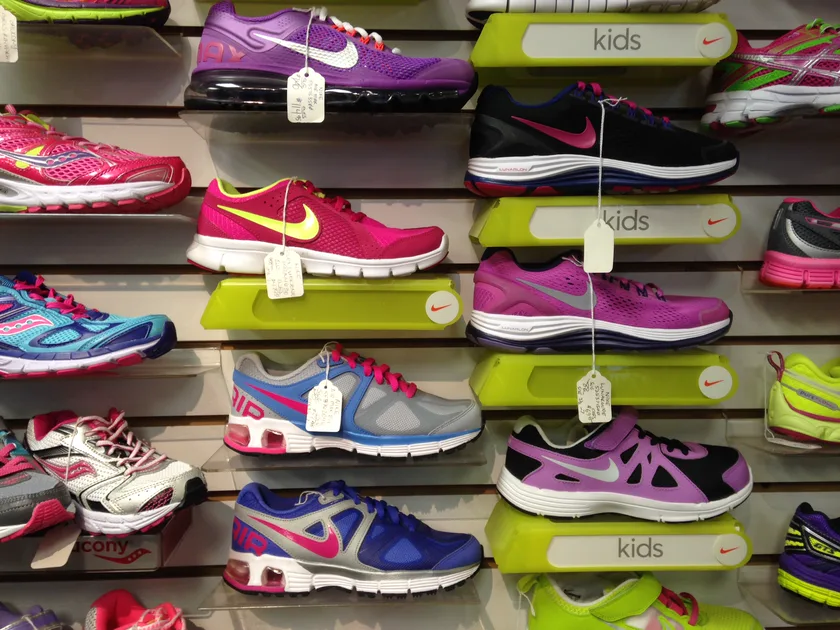 Community
Troy football players brought new shoes to Goshen Elementary students
For the second year, the Troy Trojans partnered with Lids and the nonprofit Shoes That Fit to give Goshen Elementary students new shoes and hats.
Verified · WAKA 8 Heroes
A Tallahassee student has donated 2,000 stuffed animals
Kinsley Locke, a sophomore at North Florida Christian School, marked a decade of giving plush toys to local fire departments and is now sending them to children in foster care.
Verified · WCTV Heroes
A Coeur d'Alene fifth grader gave her $500 trivia prize to cover classmates' lunches
Leah Weber, 10, won an Idaho Lottery contest at a University of Idaho game and donated all of it to Fernan STEM Academy for school lunch.
Verified · Coeur d'Alene Press Heroes
Milford teens saw a boy sitting alone and asked him to play
At Urban Air in Bellingham, a game of catch with 7-year-old Tristan Caron turned into 40 minutes of hide-and-seek and slides. The park plans a celebration day.
Verified · CBS Boston (WBZ-TV)