TodayExplainersCommunity fridges
Explainer
How a community fridge works
A community fridge is a public refrigerator anyone can open. Here is who stocks it, how the rules work, and how to help without wasting food.
What it is
A community fridge is a refrigerator in a public place that anyone can open. It might stand outside a shop, inside a library, or beside a church. Neighbors leave food that is still good to eat. Other neighbors take what they need. Most fridges do not ask for a form, a signup, or a library card. The idea is small on purpose: move food to someone who will eat it before it is thrown away.
Freedge, a network that maps these fridges, describes them as public refrigerators used to share food in a neighborhood. A host, often a business, a library, or a volunteer group, provides the appliance, the electricity, and a person who checks it. Many sites add a shelf for dry goods or a freezer beside the fridge. The rules are usually taped to the door.
This is not a food bank. A food bank is an organization that collects food in bulk and sends it out through pantries and meal programs. A fridge is one box, restocked by whoever walks past. Towns often have both. If you want the warehouse-and-pantry version, read How food banks rescue food.
How it works
Someone has to own the spot. The property owner agrees to the fridge, the power, and the foot traffic. A caretaker looks inside on a schedule, wipes spills, and throws out food that the rules do not allow or that no longer looks safe. Donors might be gardeners, neighbors cleaning out a cupboard, or a grocer with surplus. People who take food do not have to explain themselves. That privacy is part of the point.
The host decides what the fridge accepts. Sealed groceries and whole produce are the usual yes. Raw meat, home-canned food, and anything that has been sitting in a hot car are a usual no, unless that fridge's own rules say otherwise and the food was kept cold the whole time. Read the sign. If there is no sign, ask the host before you leave a meal.
How to help
Use a fridge that is already running before you start a new one. Leave food the rules allow, or take what you need. Taking food is not stealing. It is the other half of the project.
If you want to start one, find a host with a safe spot, a working outlet, and a caretaker who will actually show up. Ask the local health department what a public fridge is allowed to hold where you live. Those rules are local, and they are not the same in every city. Post the rules in plain language, including what to do when the power goes out. Freedge keeps a map of fridges people have listed. A fridge that is not on the map can still be real. The map is a way to find one, not a license.
Cold food has to stay cold. The U.S. Department of Agriculture's Food Safety and Inspection Service says bacteria grow fastest between 40°F and 140°F, and that a refrigerator should be set at 40°F or below. Their refrigeration guide is the reference for that temperature rule. A community fridge follows the same science, plus whatever the local health department adds.
A few safety notes
- Do not leave perishable food in a fridge that is warm, unplugged, or dirty. If food smells off, or the power has been out, throw it away.
- Label allergens when you know them. If you do not know what is in a homemade dish, do not put that dish in the fridge.
- Get the property owner's permission before you plug anything in. A fridge on a sidewalk still belongs to someone.
- Children can visit with an adult. A grown-up should check that anything they take home is still cold and still the kind of food the sign allows.
Sources
In short, for kids
A community fridge is a refrigerator anyone can open. A neighbor puts in food they can share. Another neighbor takes some home. Nobody has to fill out a form. The fridge has to stay cold, and the people who look after it throw food away if it is not safe. A class can ask a grown-up whether a fridge nearby needs fruit, bread, or a sign that lists the rules. Taking food is allowed. That is what the fridge is for.
For a teacher to read with a class. Classroom stories
Stories from the archive
Related reporting already on this site. Each one still links to the newsroom that reported it.
 Community
New Ulm's library now has a fridge anyone can open
The Heart of New Ulm Community Fridge and Freezer sits near the children's room. No forms, no signup, and no library card are required.
Verified · MPR News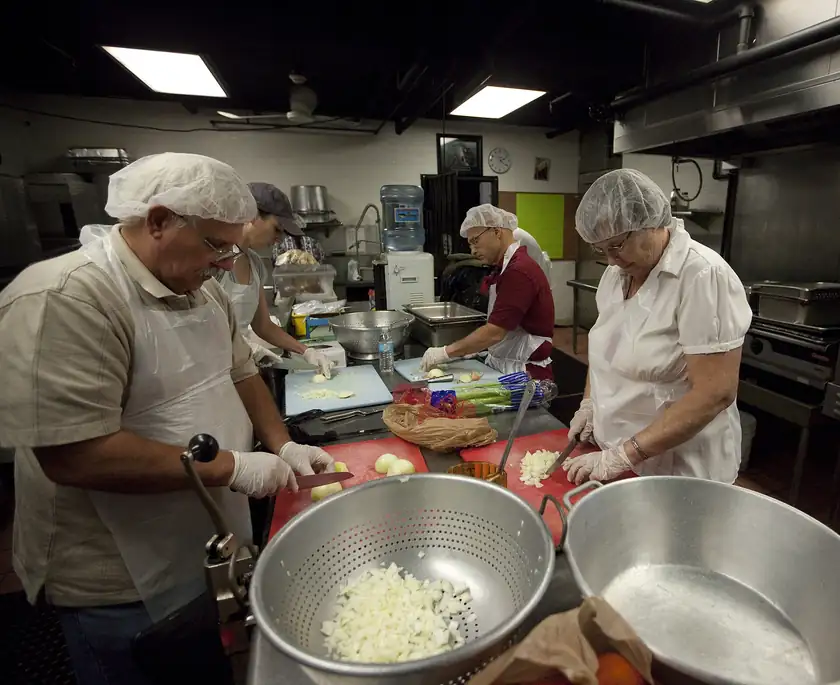 Community
A student's idea turns cooking class into meals for a community fridge
A Kaukauna High student asked the foods class to cook for the town fridge. They made 12 pasta salads and plan to do it every week.
Verified · Kaukauna Community News