 Science
Tanegashima Space Center
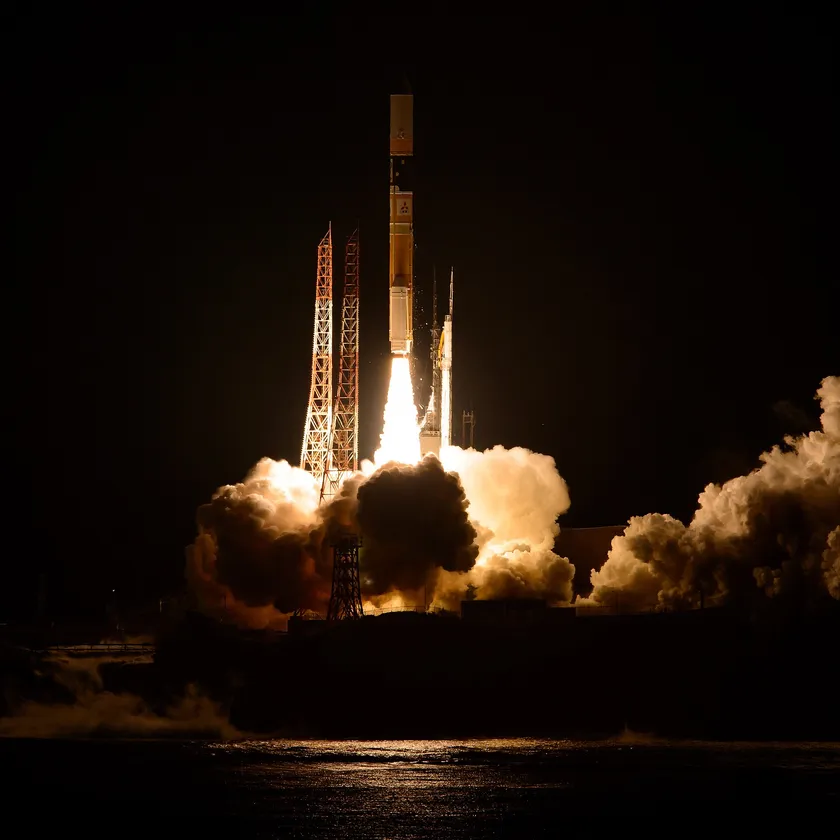
Japan sent a probe toward the moons of Mars from Tanegashima
JAXA's MMX spacecraft lifted off on an H3 rocket and separated onto a path toward Mars. The samples are not home yet.
Verified · The Japan TimesTodayScience
Science
Careful good news from labs, classrooms, and the field. Verified good news, each story linked to its original source.
AlaskaCaliforniaColoradoConnecticutDelawareIllinoisIndianaIowaMarylandMassachusettsMichiganMontanaNebraskaNew HampshireNew MexicoNew YorkNorth CarolinaNorth DakotaOhioOklahomaOregonSouth CarolinaVermontVirginiaWashingtonWest VirginiaWisconsin
Science in New HampshireScience in OregonScience in VermontScience in ColoradoScience in California
ArgentinaAustraliaAustriaBelgiumBrazilBulgariaCabo VerdeCambodiaCanadaChileChinaEgyptEthiopiaFinlandGermanyIndiaIndonesiaItalyJapanJerseyMarshall IslandsMexicoNetherlandsNew ZealandPeruPhilippinesSerbiaSeychellesSouth AfricaSouth KoreaSpainThailandTurkeyUnited Kingdom
ScienceJAXA's MMX spacecraft lifted off on an H3 rocket and separated onto a path toward Mars. The samples are not home yet.
Verified · The Japan Times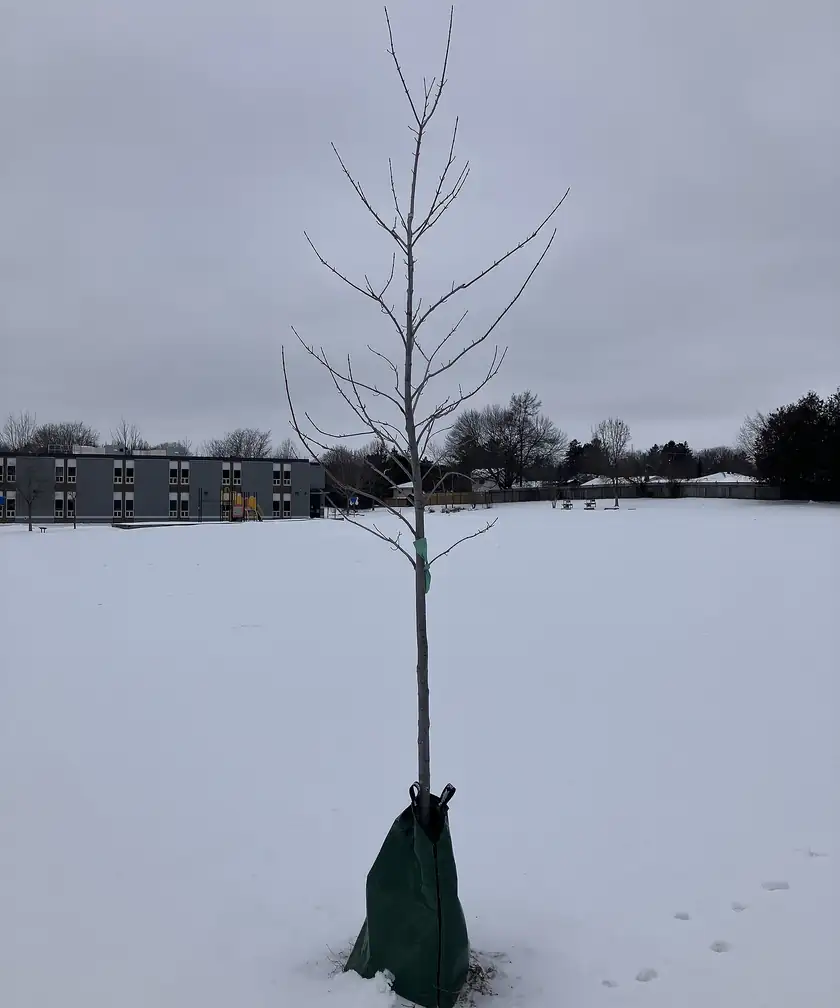 Science
The Inland Northwest Land Conservancy and wildlife crews are restoring 10 acres of floodplain on the Little Spokane River. Volunteers from age 6 to 80, including refugee teens, came to plant.
Verified · The Spokesman-Review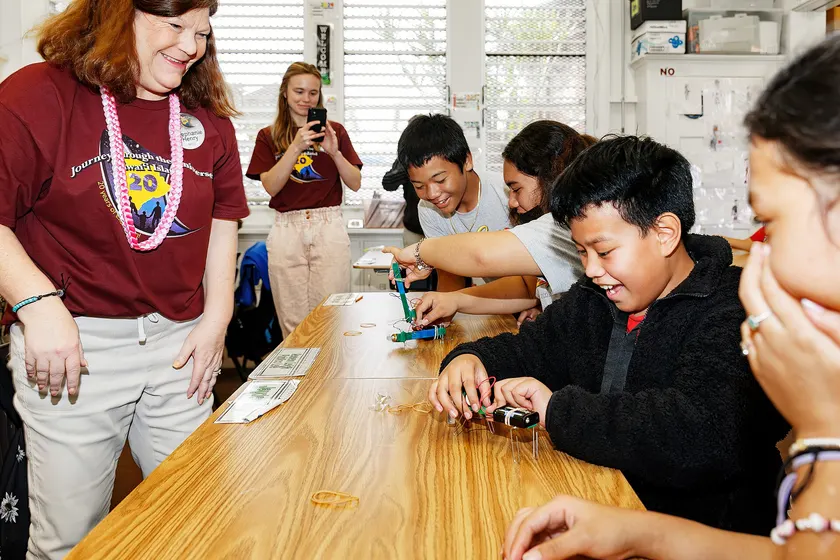 Science
Students spent a day in University of North Dakota labs making airfoils, spaghetti bridges, and robots that clean solar panels.
Verified · Grand Forks Herald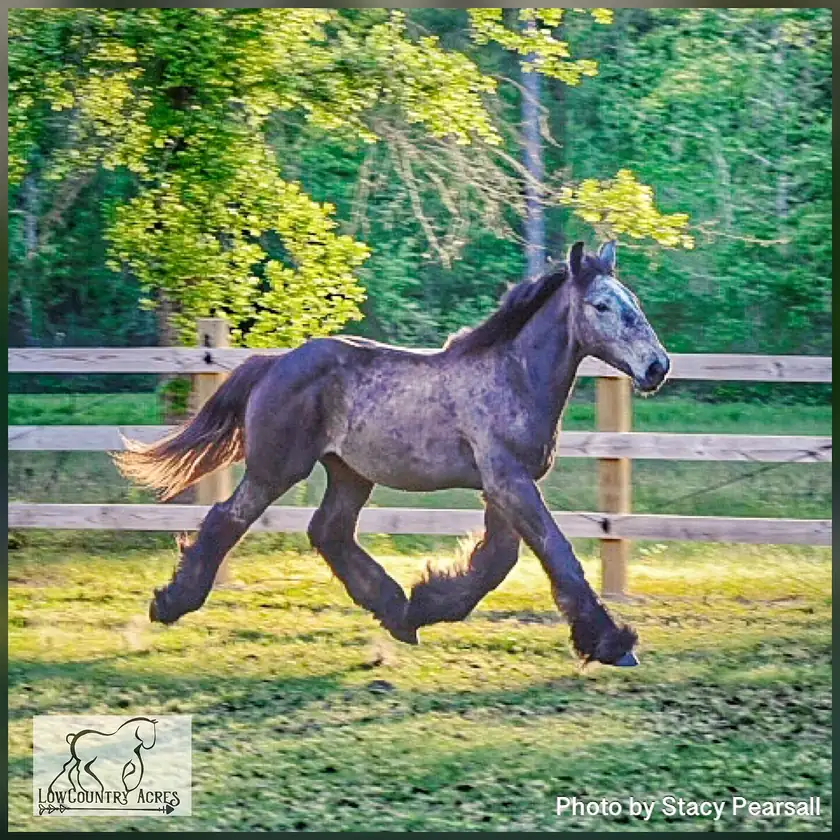 Science
John Smolinsky of Earthbound Forestry uses his one-ton horse on small, steep, and sensitive woodlots. A horse compacts the soil far less than a heavy skidder.
Verified · Vermont Public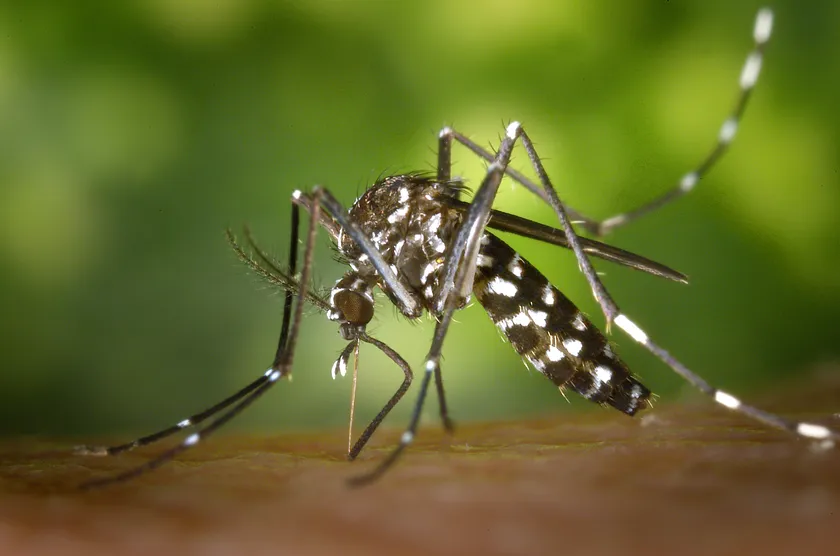 Science
The city's public-health agency is letting out 80,000 male tiger mosquitoes a week. The males carry wolbachia so wild females' eggs do not hatch. The trial has not yet reported whether the city's mosquitoes declined.
Verified · El Mundo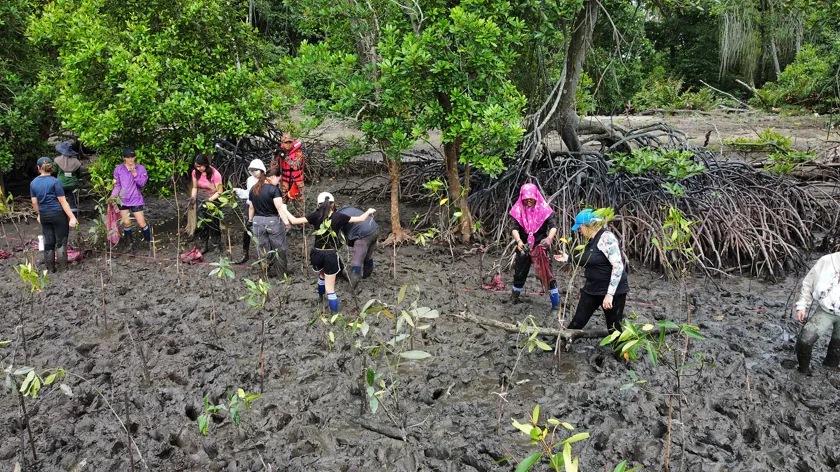 Science
A first-year study in Samut Prakan found sediment building up behind the structures at 10 of 11 trial sites, while open shore nearby kept eroding.
Verified · Mongabay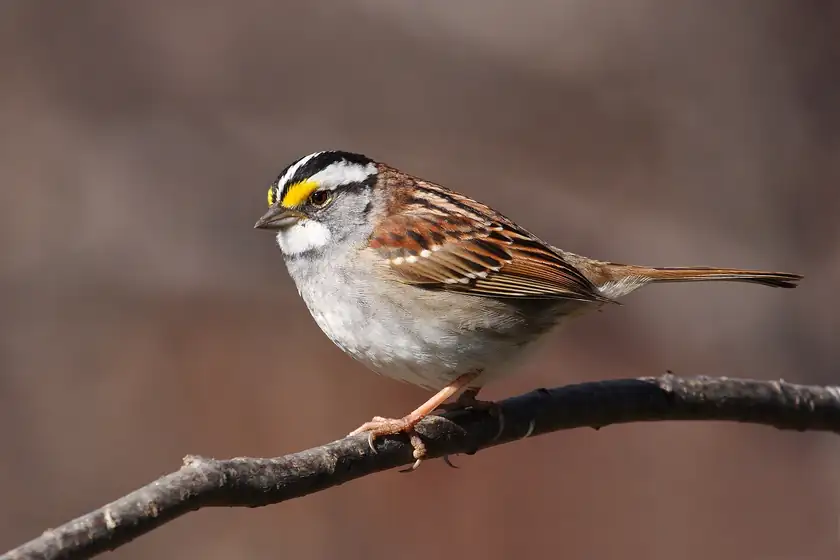 Science
Nature Conservancy staff and Southeastern Oklahoma State volunteers worked at Pontotoc Ridge Preserve while hundreds of millions of birds pass over the state.
Verified · KOSU / StateImpact Oklahoma Science
Clay jars and stone anchors on a slope near Kekova Island match pottery from roughly when the Great Pyramid was being built.
Verified · BBC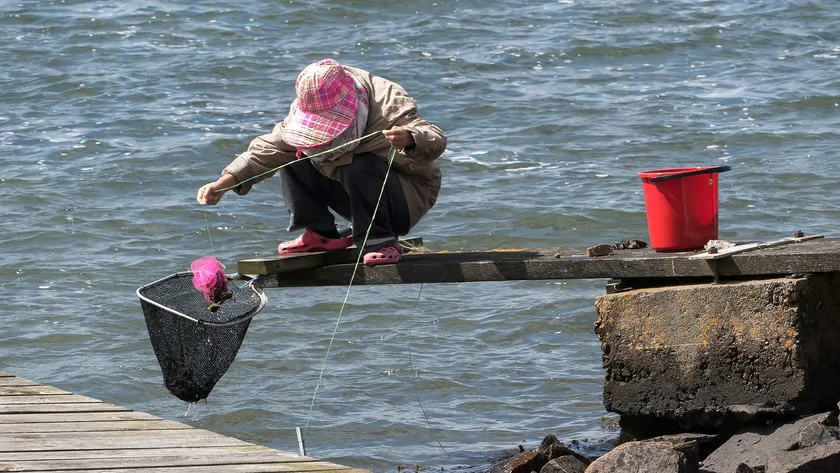 Science
Pupils are catching crabs with hook-free lines so University of Portsmouth researchers can identify them and put them in the sea before sediment is taken out of a seafront lake.
Verified · BBC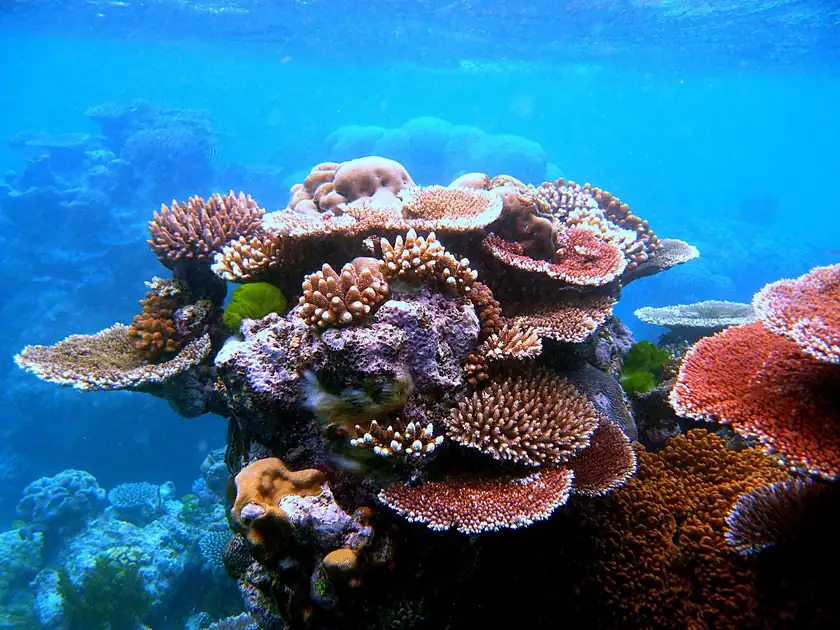 Science
In lab tanks at Hopkins Marine Station, bleached coral fragments that briefly touched healthy clones took in algae within three days and fully recovered in seven weeks. Fragments without that contact died.
Verified · Stanford Doerr School of Sustainability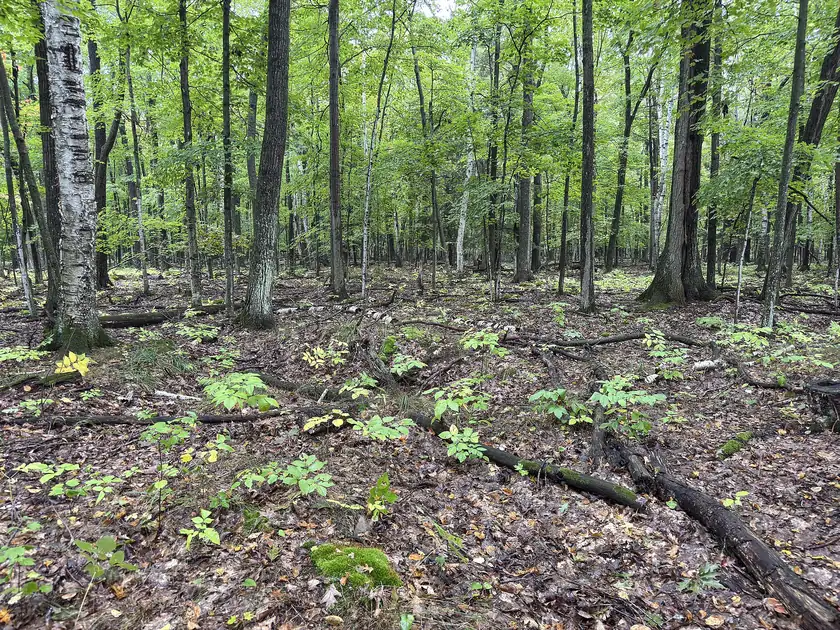 Science
The DNR says partners, from private landowners to people planting on their own, helped reach the milestone. New trees also went in at Havenwoods, the state's only urban state forest, in Milwaukee.
Verified · WPR (Wisconsin Public Radio) Science
Five years after the Black Summer fires, camera traps found a similar set of native mammal species in burnt and unburnt bush. Feral cats were photographed more often than before.
Verified · NSW Local Land Services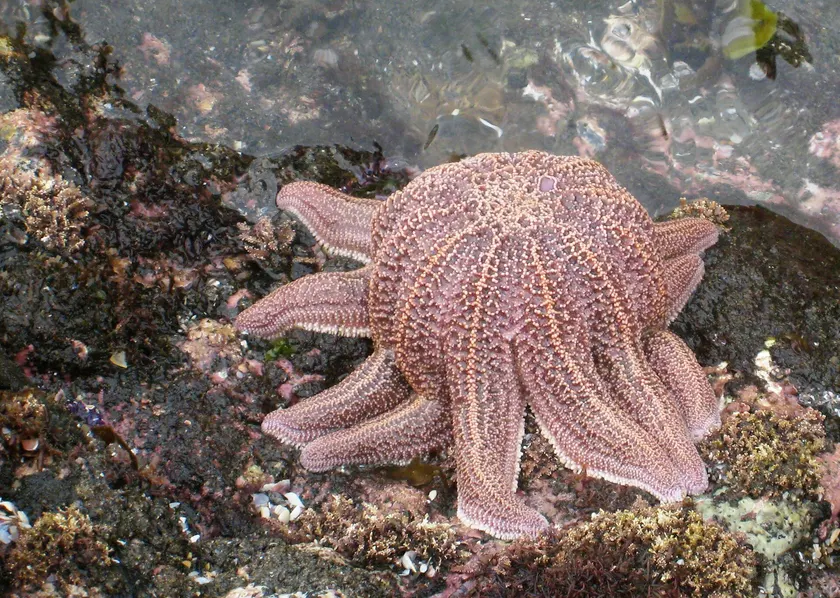 Science
A two-week workshop in Buenos Aires sorted samples from the Mar del Plata Canyon. The species are logged as new, not yet formally described, and the dives also found plastic.
Verified · Mongabay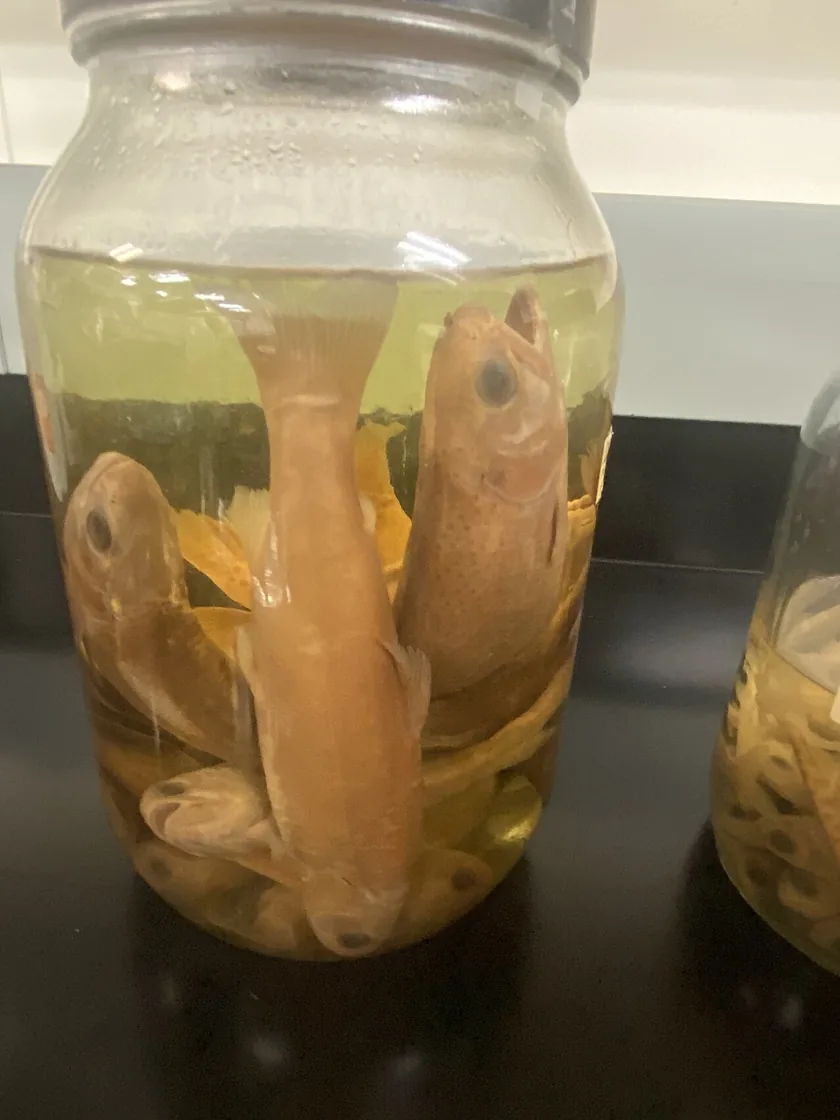 Science
After four Klamath River dams were removed in 2024, sonar counts recorded 7,742 Chinook passing the former dam sites that fall and more than 13,000 in 2025. The fish spread through 214 miles blocked for about a century.
Verified · Mongabay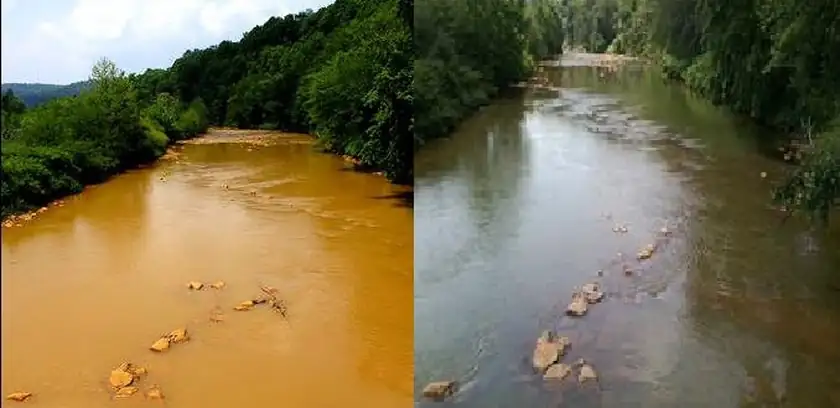 Science
The federal abandoned-mine program honored Montana for a plant that treats about 150 gallons a minute of acid drainage that once sent hundreds of pounds of metals into the creek each day.
Verified · Hi-Line Today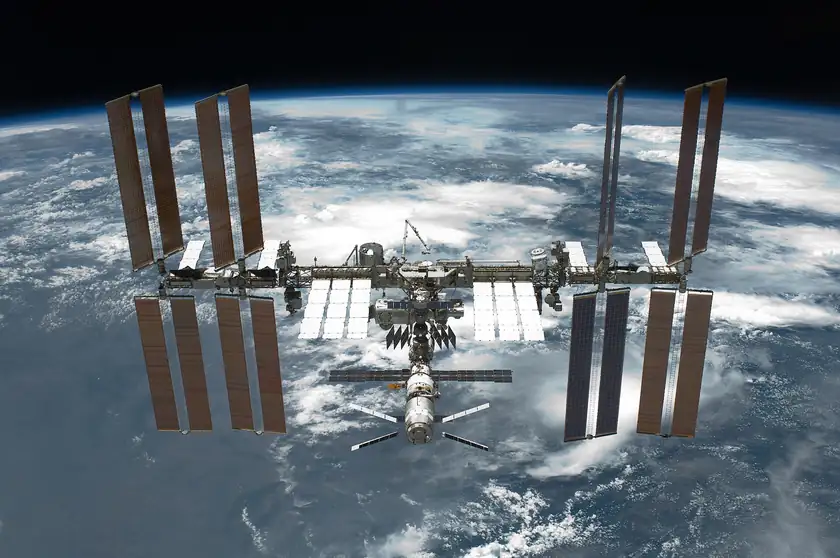 Science
The district is one of three in the country named a NASA HUNCH Center of Excellence. Students design hardware for the space station and Artemis, and some of their work has already flown.
Verified · CBS Colorado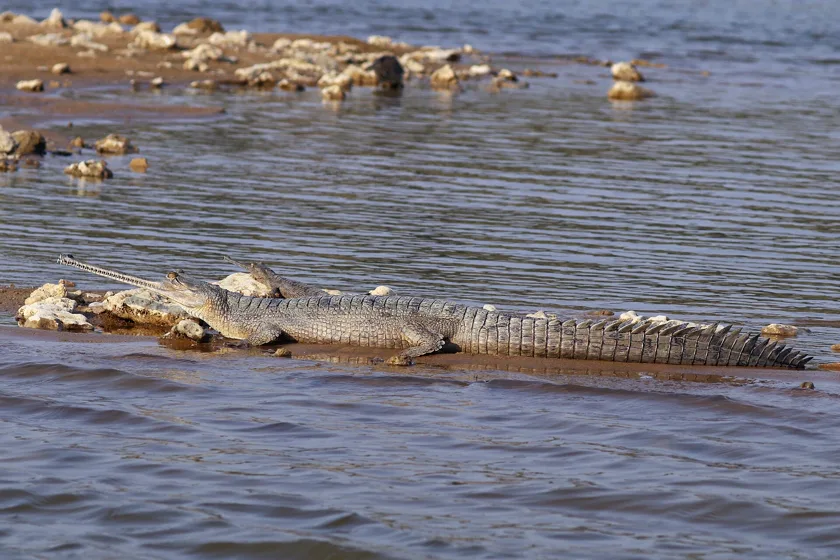 Science
Researchers renamed a 45-million-year-old gavial from the same rock as the Great Sphinx after CT scans showed it was not the false gharial it had been called.
Verified · Smithsonian Magazine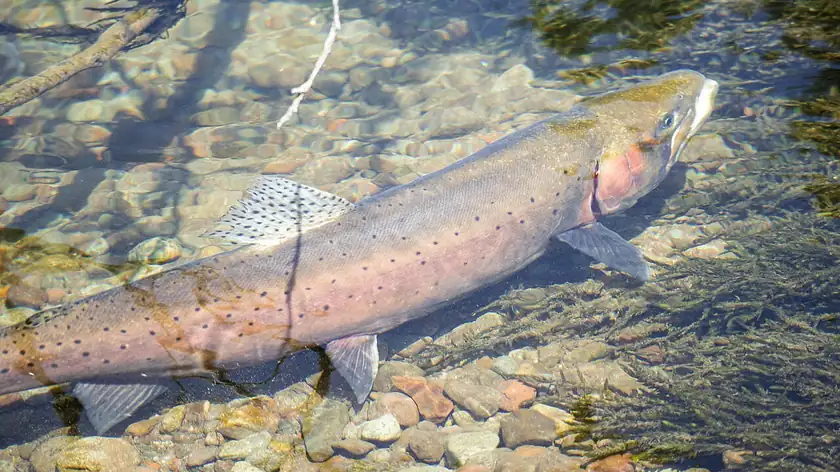 Science
A charitable trust and local fly fishers restored trout habitat beside Strawberry Park Elementary, and older students are already using the creek.
Verified · Steamboat Pilot & Today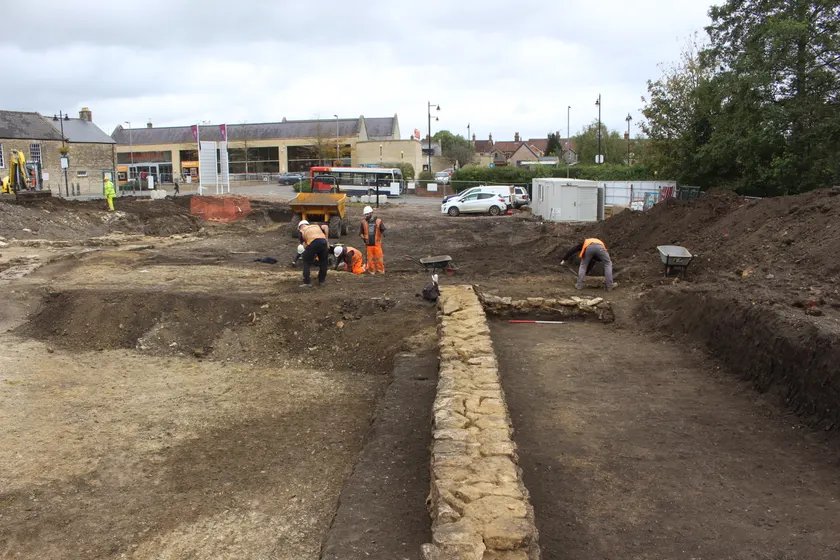 Science
The small temple beside the Kapersburg fort was only inches underground. An inscription suggests it was dedicated to Mars, and a figurine is likely Victoria.
Verified · Smithsonian Magazine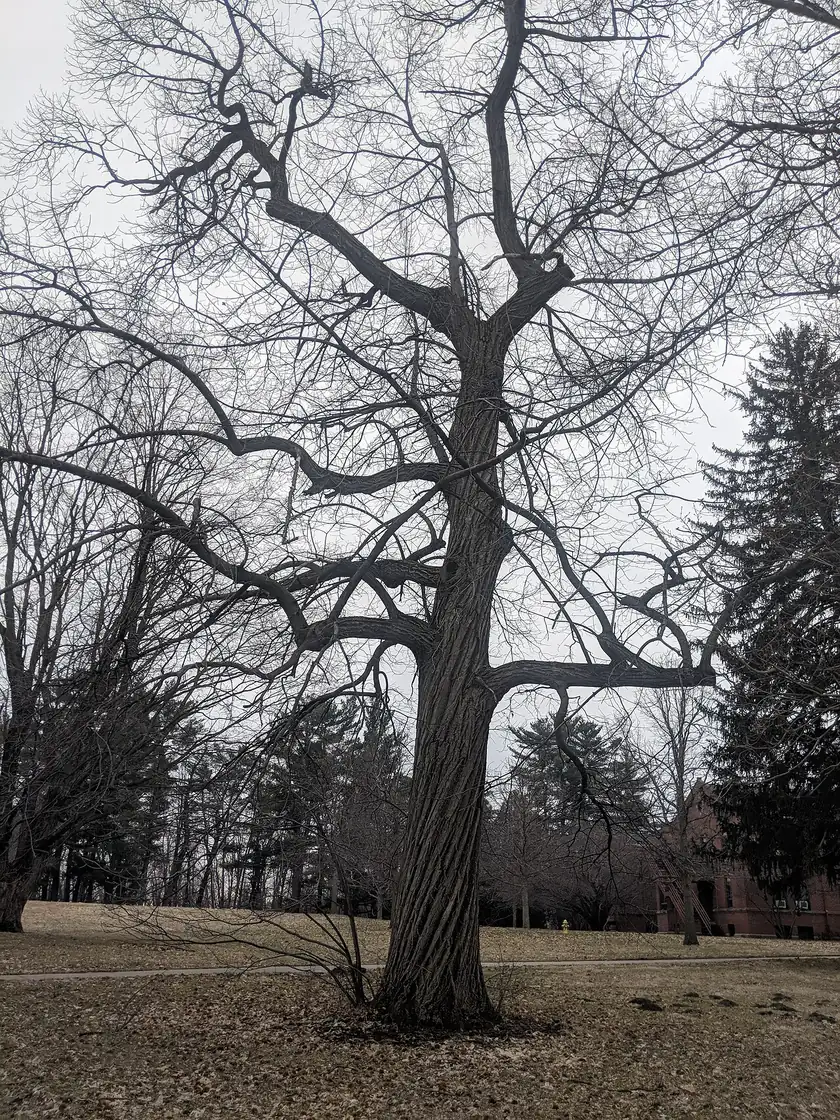 Science
Students at Mount St. Joseph Academy care for nine chestnut trees, and seeds from the grove have been planted at six other Vermont schools.
Verified · WCAX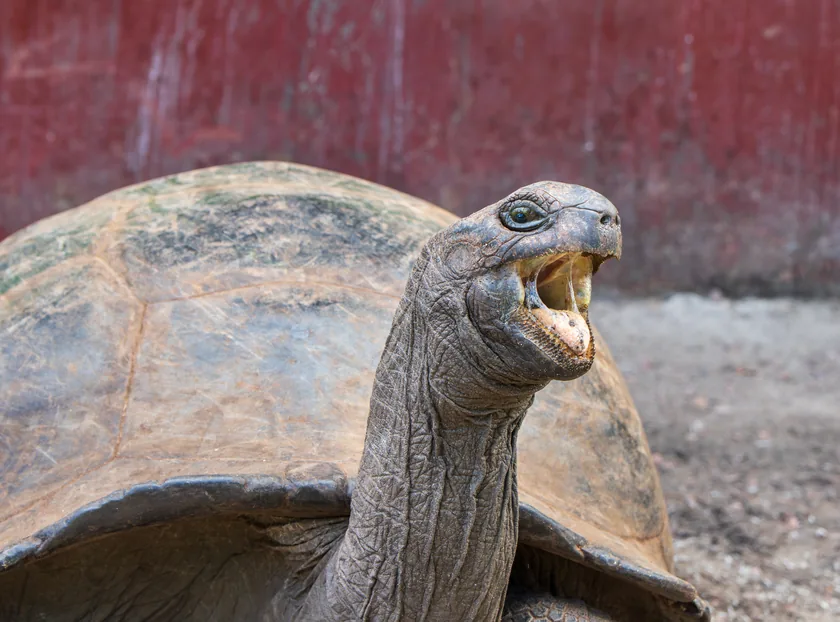 Science
A new atoll-wide estimate from the Seychelles Islands Foundation and the University of Exeter is the largest on record, and it mostly corrects older surveys that missed animals in the shade.
Verified · University of Exeter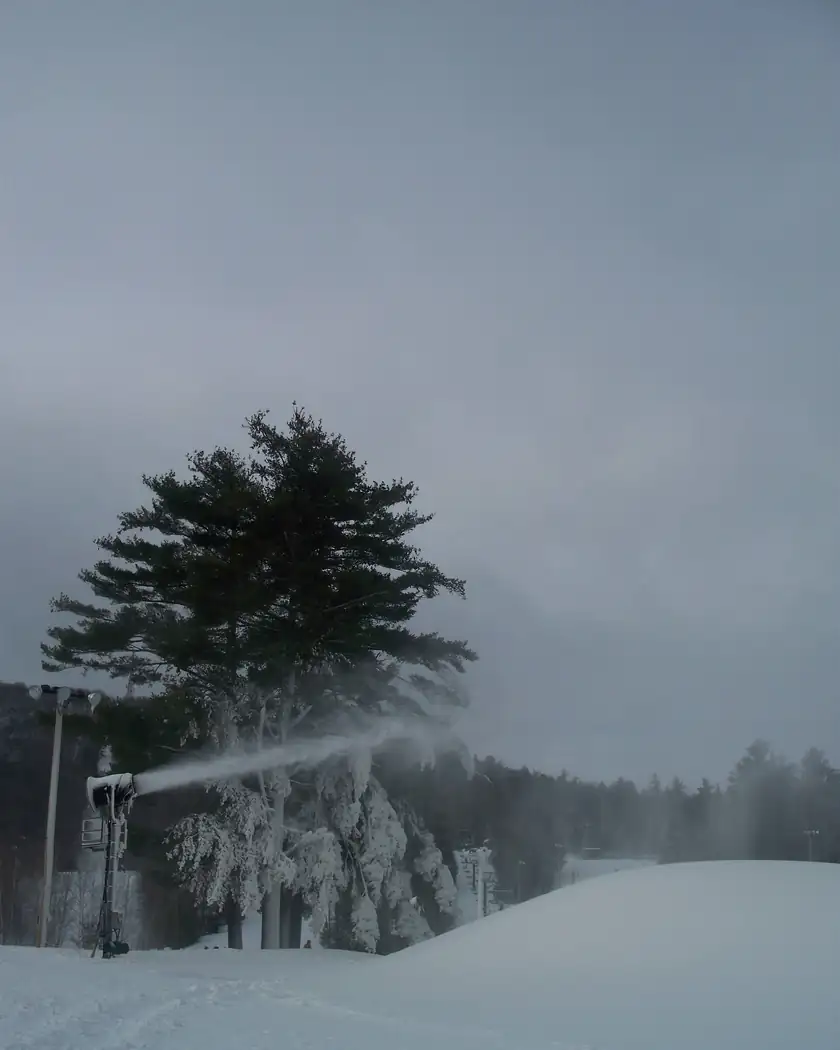 Science
Insulated blankets held spring snow piles at Snowmass and Buttermilk. The resort says that saved snow would have taken about 3.5 million gallons of water to make.
Verified · The Colorado Sun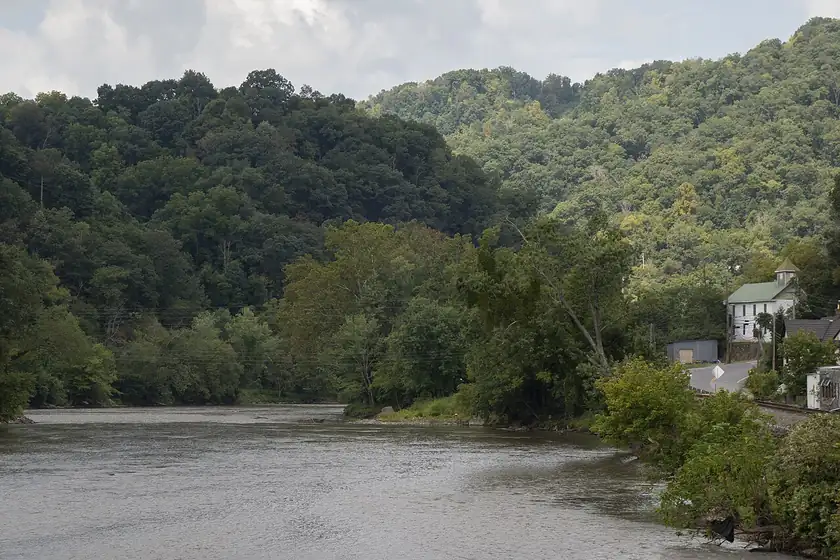 Science
With Lake Craig Dam open after Hurricane Helene, smallmouth bass and russet darters are upstream of it for the first time in more than a century. Asheville will not repair the barrier.
Verified · The Biltmore Beacon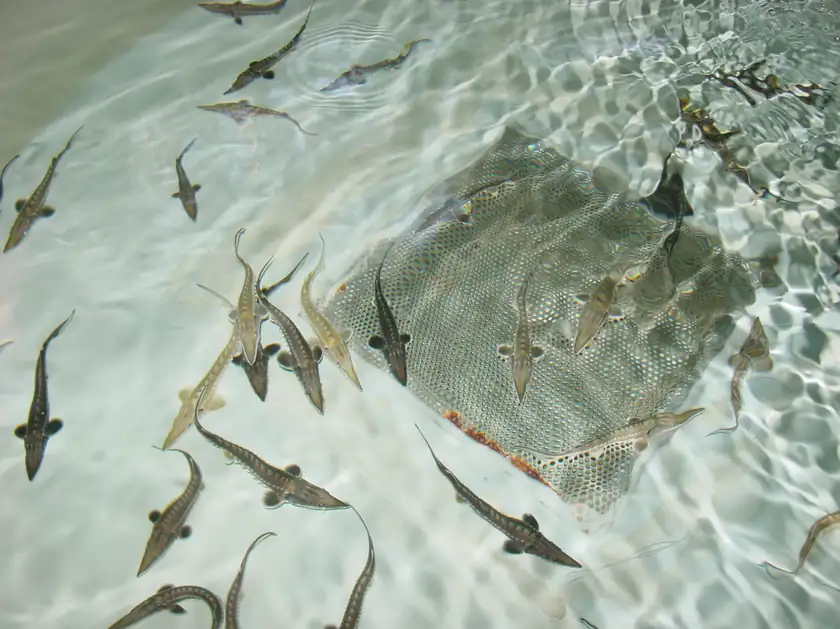 Science
A long-running James River study has now tagged 2,455 Atlantic sturgeon. The fish remain endangered.
Verified · WSLS